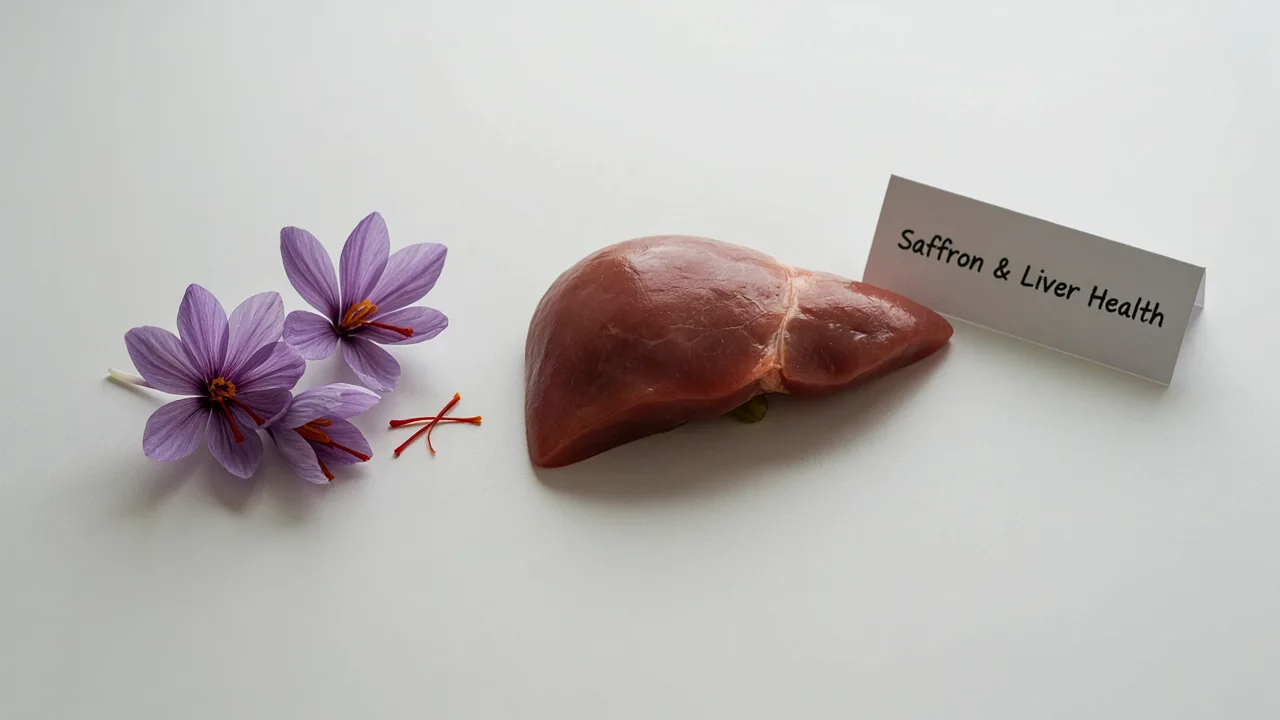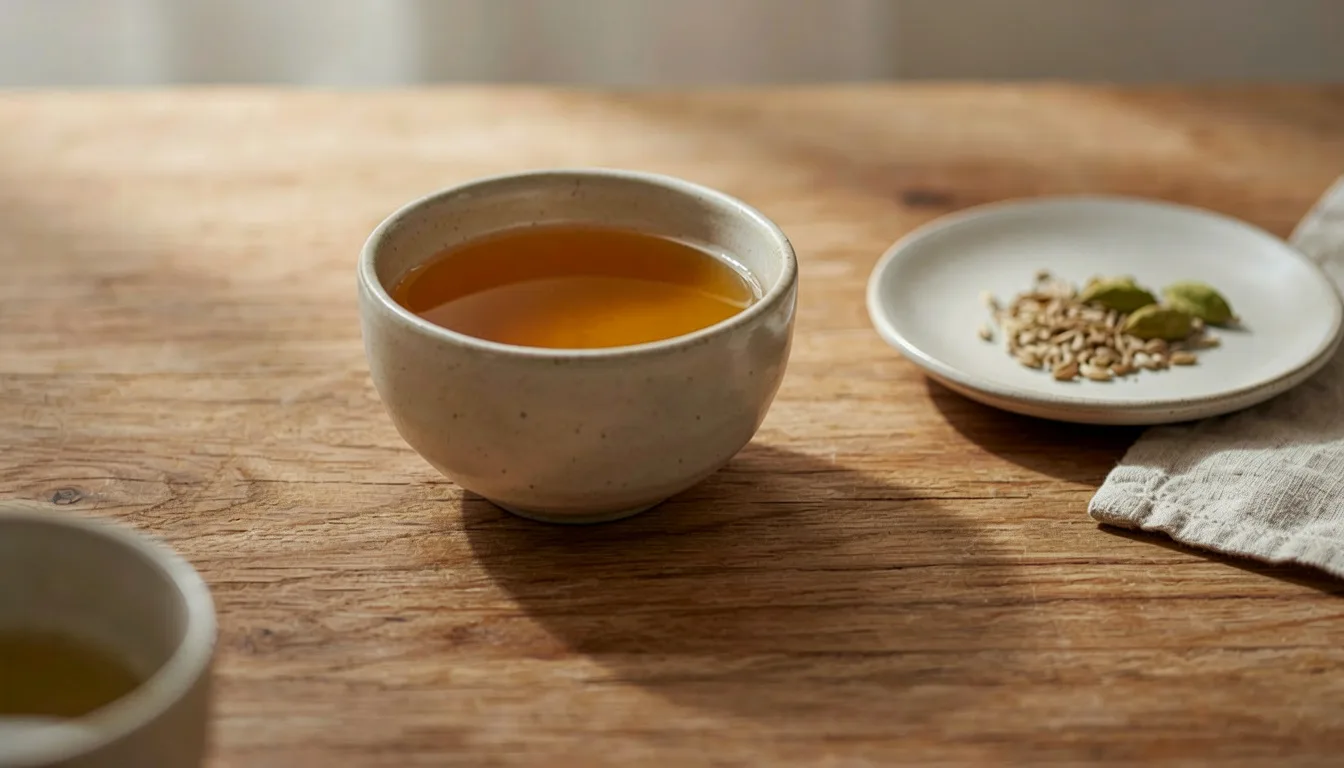
Saffron has a genuine, long-standing role in traditional digestive remedies across several cultures — but modern clinical research specifically testing saffron for digestive symptoms is considerably thinner than the traditional reputation might suggest. If a warm cup of saffron tea after dinner is already part of your routine, or you're wondering whether to start one, this article separates the genuine tradition from overstated modern claims, and looks honestly at what's actually known.
- The Traditional Use of Saffron for Digestion
- What Modern Research Has Actually Explored
- The Anti-Inflammatory Angle and Gut Health
- Traditional Preparations Across Different Cultures
- What the Evidence Does Not Show
- Common Digestive Complaints and Saffron's Actual Relevance
- Saffron and IBS or Diagnosed Digestive Conditions
- Who Should Be Cautious
- Digestive Habits With Considerably Stronger Evidence
- How Saffron Is Traditionally Used for Digestion
- The Gut-Brain Connection Worth Knowing
- The Bottom Line
The Traditional Use of Saffron for Digestion
Across Persian, South Asian, and Middle Eastern traditional food and medicine practices, saffron has long been included in preparations associated with digestive comfort — often as warm saffron-infused milk or tea after a heavy meal, or as part of broader digestive-supporting herbal blends. This tradition reflects generations of practical, lived observation about how people felt after specific foods and preparations, which is worth respecting on its own terms, separate from the question of what controlled modern research can specifically confirm. These practices typically developed alongside other dietary customs within the same households and regions, as part of a broader, lived approach to eating and digestion rather than a single isolated remedy used on its own.
What Modern Research Has Actually Explored
Here's the honest state of play: direct clinical research testing saffron specifically for digestive symptoms like bloating, indigestion, or general gut comfort is limited compared to several other saffron health topics covered on this site. Most of the relevant research is laboratory or animal-based, looking at saffron's effects on digestive-tract tissue or markers in non-human models, rather than well-designed human trials measuring actual digestive symptoms as a primary outcome. This is a genuinely under-studied area, and it's worth being upfront about that rather than stretching thin evidence further than it goes.
The Anti-Inflammatory Angle and Gut Health
Saffron's broader studied anti-inflammatory and antioxidant properties — the same general properties discussed in our pieces on saffron and blood sugar and elsewhere — provide a plausible, general mechanism for why it might support digestive comfort, since inflammation plays a role in several digestive complaints. There's also preliminary laboratory interest in how saffron's compounds interact with gut bacteria, part of the broader, fast-growing research field around the gut microbiome, though this specific angle for saffron is very early-stage, mostly limited to lab and animal settings so far. This is a theoretical bridge from general laboratory findings to a specific digestive benefit, not a direct finding from a dedicated digestive-health clinical trial, and it's important to keep that distinction clear rather than treating a general property as if it were a specific, proven digestive effect.
Traditional Preparations Across Different Cultures
It's worth noting that saffron's traditional digestive role isn't limited to one culture's practice. In Persian tradition, saffron tea is a common after-meal drink in some households. In parts of South Asia, warm saffron milk serves a similar role, sometimes combined with other traditionally digestive-associated spices like fennel, cardamom, or ajwain (carom seeds). In Kashmiri households specifically, saffron-infused Kahwa tea — covered in our saffron cooking guide and recipe collection — is traditionally served after rich meals as much for its believed digestive comfort as for its flavor. This cross-cultural consistency, while not clinical proof, is at least a notable pattern worth recording honestly.
What the Evidence Does Not Show
Saffron is not a clinically proven treatment for bloating, indigestion, acid reflux, or any diagnosed digestive condition. The traditional reputation is genuine and long-standing, but it hasn't yet been matched by the kind of well-designed human clinical trials that would be needed to call it an evidence-based digestive remedy in the modern clinical sense. Be skeptical of any product or claim describing saffron as a "proven digestive cure" — that language outpaces the actual research considerably.
Common Digestive Complaints and Saffron's Actual Relevance
For everyday, occasional digestive discomfort after a heavy or rich meal, warm saffron milk or tea is a pleasant, low-risk traditional option, similar in spirit to other warm, mild after-meal drinks many cultures use — there's nothing wrong with continuing this practice for its own sake and comfort value. The warmth of the drink itself, separate from saffron specifically, is also a genuinely soothing factor many people report after a heavy meal, which is worth acknowledging rather than attributing every bit of the comfort to saffron alone. It's a different matter from persistent, recurring, or severe digestive symptoms, which deserve proper attention rather than a home remedy applied indefinitely without improvement.
Saffron and IBS or Diagnosed Digestive Conditions
Irritable bowel syndrome and other diagnosed digestive conditions are complex and benefit from proper medical evaluation and, often, a combination of dietary, lifestyle, and sometimes medical management tailored to the individual. There is no strong clinical evidence that saffron treats IBS or similar diagnosed conditions. If you have a diagnosed digestive condition, the appropriate path is your doctor or a gastroenterologist, not self-directed supplementation based on saffron's general traditional reputation.
Who Should Be Cautious
Typical culinary saffron is gentle for most people's digestive systems. At higher, concentrated extract doses, nausea has occasionally been reported in clinical trial participants, which is worth knowing if you're considering a standardized supplement rather than culinary use specifically. Anyone with a diagnosed digestive condition, or who is pregnant or breastfeeding, should check our other relevant guides or speak with their doctor rather than assuming general information applies uniformly to their situation.
Digestive Habits With Considerably Stronger Evidence
Set against saffron's thin digestive-specific research, several well-established habits have far more robust evidence for digestive comfort: eating slowly and not overeating in one sitting, adequate fiber and hydration, regular physical activity (which supports healthy gut motility), managing stress, and identifying and moderating any personal trigger foods — common culprits include very spicy, fatty, or carbonated foods and drinks, though this varies meaningfully by individual. These fundamentals matter considerably more day to day than any single spice, saffron included.
How Saffron Is Traditionally Used for Digestion
If you'd like to try the traditional approach, a simple preparation is a few strands of genuine saffron steeped in warm water or milk after a meal, sometimes with a small amount of fennel or cardamom, both of which have their own separate traditional digestive associations. This is best thought of as a pleasant, low-risk ritual rather than a treatment, consistent with everything covered above. Our guide to common saffron cooking mistakes is also useful background if you're incorporating saffron into meals more generally, since proper preparation affects both flavor and how pleasant saffron is to consume regularly.
The Gut-Brain Connection Worth Knowing
One genuinely interesting, broader research area worth knowing about is the gut-brain axis — the increasingly well-documented two-way communication between the digestive system and the nervous system, which helps explain why stress and anxiety so often show up as physical digestive symptoms, and vice versa. Saffron's better-established research on mood, covered in our saffron and mental health piece, could plausibly intersect with digestive comfort through this pathway for some people, even without a direct digestive-specific mechanism being proven. This is a reasonable, honest way to think about a possible indirect connection, rather than claiming a direct gut effect the research doesn't yet support on its own.
The Bottom Line
Saffron's traditional role in digestive comfort is genuine and long-standing, but modern clinical research specifically testing this is thin compared to other saffron health topics. Enjoy it as part of a traditional after-meal ritual if that appeals to you, but don't expect it to replace proper care for a genuine, persistent digestive issue.
For further reading, see the PubMed database of saffron and gastrointestinal research. For genuine, lab-verified Kashmiri saffron, see our Kashmiri Mogra saffron.