Zafran meaning in English is saffron — and in this case the connection runs deeper than just two words for the same spice. Zafran (also spelled zaffran or za'faran) is the Urdu and Persian name for saffron, used across Pakistan, North India, Iran, and much of the Middle East. What makes zafran different from most other regional names for saffron is that it is not just a parallel word sitting next to "saffron." It is the actual root the English word came from.
Where the Word Zafran Comes From
The English word "saffron" traces back through Old French safran, which came from Medieval Latin safranum, which in turn came from the Arabic za'faran. Urdu and Persian inherited the same Arabic root almost unchanged, which is why zafran and saffron sound so similar even though they sit in completely different language families. So when someone asks for the zafran meaning in English, the honest answer is not just "saffron" as a translation — it is closer to saying the two words are cousins that never stopped resembling each other. Few spice names travel through this many languages while staying this recognizable.
What Zafran Actually Is
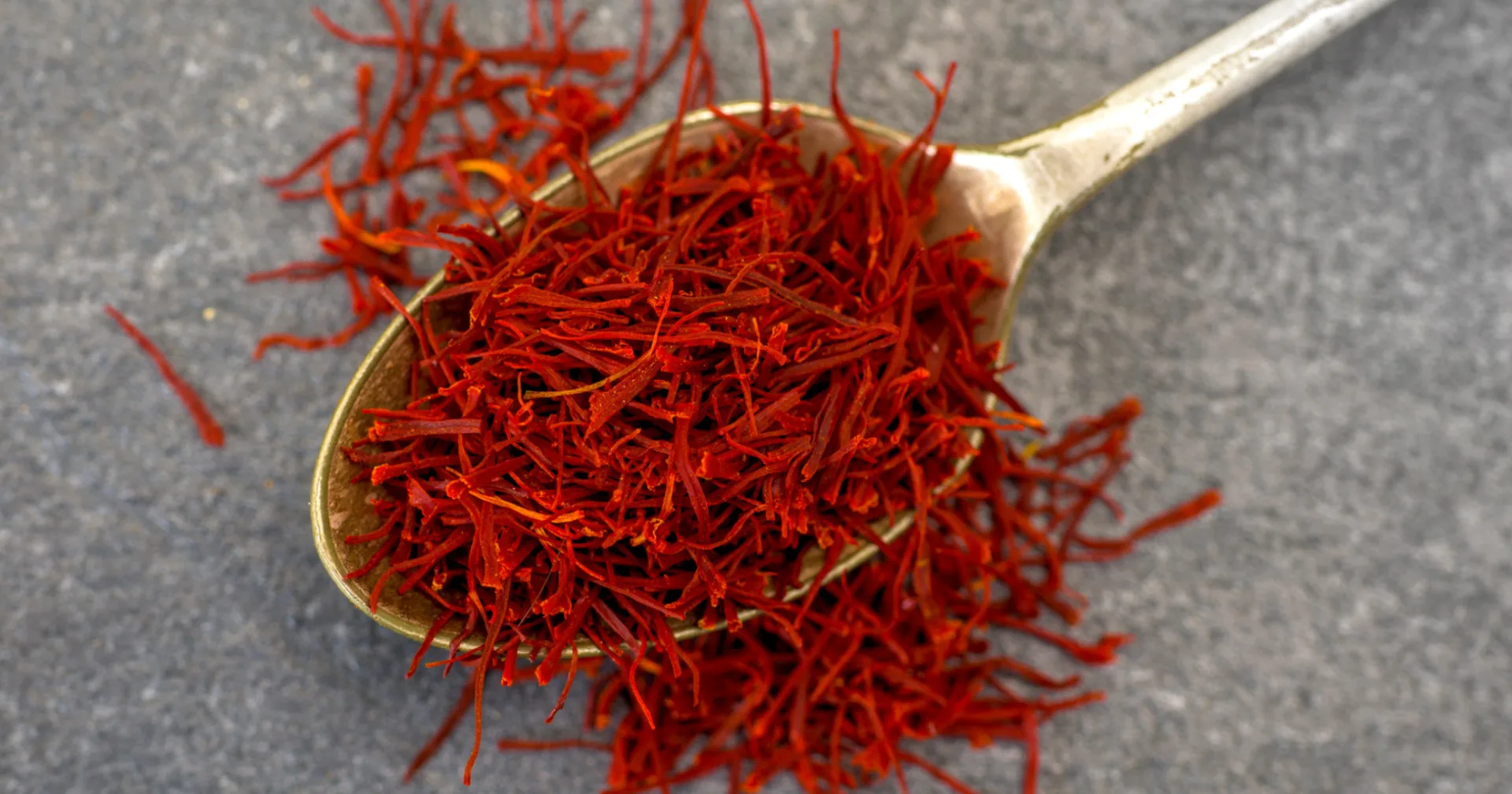
Strip away the etymology and zafran is exactly what saffron is anywhere else in the world: the dried red stigma of the Crocus sativus flower, hand-picked because each flower yields only three threads, and dried carefully to preserve color, aroma, and the compounds responsible for its flavor. The best zafran, much like the best saffron sold under any other name, comes from regions with the right combination of altitude, soil, and climate — Kashmir in India and Khorasan in Iran are the two names most associated with top-grade quality.
Zafran in Mughlai and South Asian Cooking
Zafran shows up constantly in Mughlai cuisine, which grew out of the Persian-influenced cooking brought into the Indian subcontinent centuries ago. It is the ingredient behind the golden streaks running through a proper zafrani biryani, where threads are soaked in warm milk and then drizzled over the rice in the final layers before the dum (slow steam-cooking) process. It also turns up in kewra- and rosewater-scented desserts like sheer khurma, zafrani pulao served at weddings, and rich Mughlai gravies like shahi korma, where a little zafran adds both color and a faint floral note that cuts through the richness of the cream and nuts.
Zafran Across the Persian-Influenced Culinary World
The word and the spice travel together well beyond South Asia. In Iran, saffron (called za'ferān) is used far more liberally than in most Indian kitchens, appearing in everyday rice dishes, stews, and the saffron ice cream known as faloodeh. Across the Middle East and Central Asia, wherever Persian culinary influence reached, some version of this word and this spice shows up together, which is a big part of why zafran feels less like a regional curiosity and more like one of the most well-traveled spice names in the world.
Grades of Zafran and What the Labels Mean
Not all zafran sold in the market is the same grade, and the difference isn't just marketing. The highest grade consists of just the deep-red stigma tip, which carries the most color and flavor compound per thread. Lower grades include more of the yellow-orange style attached to the stigma, which dilutes both color and aroma without doing much for the dish. Kashmiri zafran is often sold under names like Mogra or Lacha depending on how the threads are graded and bundled, and the price difference between grades is usually a fair reflection of how much actual stigma versus style is in the packet.
Buying Real Zafran
Because genuine zafran is expensive to produce, the market has no shortage of imitations — dyed corn silk, safflower petals, or saffron cut with other plant matter to stretch the weight. Real threads are a deep, slightly brittle red with an orange tip, and they release color into warm water gradually rather than all at once. A quick way to check at home is to rub a thread between your fingers; genuine zafran leaves a light yellow-orange tint rather than a deep red stain, since the staining compound works more slowly than dye does. If you want zafran that actually matches the quality Kashmiri saffron is known for, it is worth buying from a source that sells the real thing directly, such as this premium Kashmiri saffron, rather than an unmarked packet at a general grocery counter.
However the word reaches you — zafran, zaffran, za'faran, or saffron — it is worth remembering that you are not dealing with four different spices wearing different names. You are looking at one spice whose name has been crossing borders and languages for over a thousand years, somehow arriving almost intact each time.