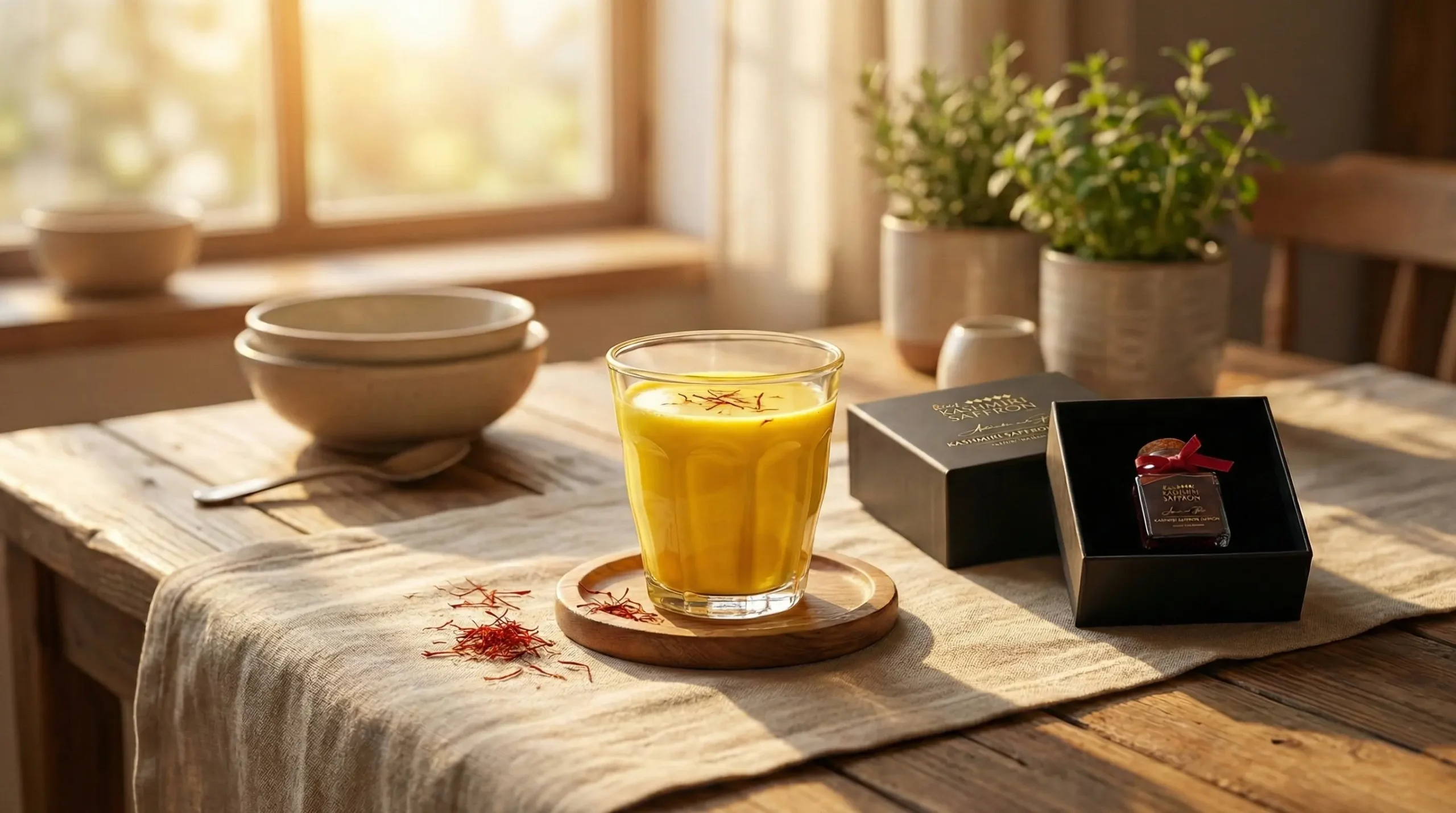
Cooking with saffron: common mistakes are the real reason genuine, high-quality saffron can still disappoint in the kitchen — most disappointing results come down to a handful of easily fixed errors rather than the saffron itself being poor quality. This guide walks through the most frequent errors home cooks make and exactly how to get consistently good results.
Mistake 1: Adding Dry Strands Directly to Hot Food
This is by far the most common mistake. Sprinkling dry saffron strands straight into a hot pan or pot of rice releases only a fraction of the colour and aroma compared to properly blooming them first. Saffron's colour and aroma compounds need time in a liquid to fully release — dropping dry strands into a hot dish for the last few minutes of cooking simply doesn't give them enough time or the right conditions.
The fix: Always soak saffron strands in a tablespoon or two of warm liquid (milk or water) for 10-15 minutes before adding to your dish. Add both the strands and the coloured soaking liquid to your recipe for maximum effect.
Mistake 2: Using Boiling Liquid to Bloom Saffron
It's tempting to speed up the blooming process with boiling water or milk, but excessive heat can damage some of saffron's delicate aroma compounds, particularly safranal, which is responsible for much of its distinctive fragrance. Very hot liquid extracts colour reasonably well but at some cost to aroma.
The fix: Use warm, not boiling, liquid — comfortably warm to the touch, similar to bath-water temperature, is sufficient to bloom saffron effectively without damaging its aroma.
Mistake 3: Using Too Few Strands
Saffron is expensive, which understandably makes people conservative with how much they use — but using only one or two strands per dish often isn't enough to produce a noticeable effect, leading people to wrongly conclude their saffron is weak or fake.
The fix: Use 4-6 strands per serving as a general guideline for most dishes, drinks, and desserts. This is a modest quantity that most people underestimate.
Mistake 4: Adding Saffron Too Early in Long-Cooking Dishes
In dishes that simmer for a long time — certain curries or slow-cooked preparations — adding saffron right at the start means its aroma has hours to dissipate before the dish is served, even if the colour holds up reasonably well.
The fix: Bloom saffron separately and stir it in toward the end of cooking, giving the aroma the best chance of coming through in the finished dish rather than cooking off.
Mistake 5: Storing Saffron Incorrectly Before Use
Saffron that's been left in a poorly sealed container, exposed to light, humidity, or heat, gradually loses its aroma and colour strength even before you start cooking with it — leading to disappointing results that have nothing to do with how you cooked it.
The fix: Store saffron in its original sealed pack or an airtight container, in a cool, dark place, away from the stove and direct sunlight. Only open what you need at a time.
Mistake 6: Not Crushing or Lightly Grinding Strands First
For some preparations, whole strands soaked in liquid work well, but lightly crushing the strands between your fingers before soaking — for dishes where you want maximum colour extraction, like rice dishes — can help release compounds slightly faster and more thoroughly.
The fix: For dishes where strong colour matters most, gently crush strands before soaking rather than adding them whole.
Putting It All Together: The Correct Method
- Take 4-6 strands per serving
- Lightly crush them between your fingers if strong colour is the goal
- Soak in a tablespoon of warm (not boiling) milk or water for 10-15 minutes
- Add both the strands and the soaking liquid to your dish toward the end of cooking
- Store any unused saffron sealed, in a cool, dark place
Start With Genuine Saffron
Correct technique matters, but it can't fix genuinely poor-quality or adulterated saffron. If you're consistently disappointed with results despite good technique, the saffron itself may be the issue — our Kashmiri Mogra saffron is GI-tagged and lab-certified, giving you a reliable baseline before troubleshooting technique.
The Bottom Line
Most disappointing saffron results in home cooking come down to technique, not the saffron itself — skipping the blooming step, using too few strands, or storing it poorly are the most common culprits. Fix these, and even a modest quantity of genuine saffron will deliver noticeably better colour and aroma.