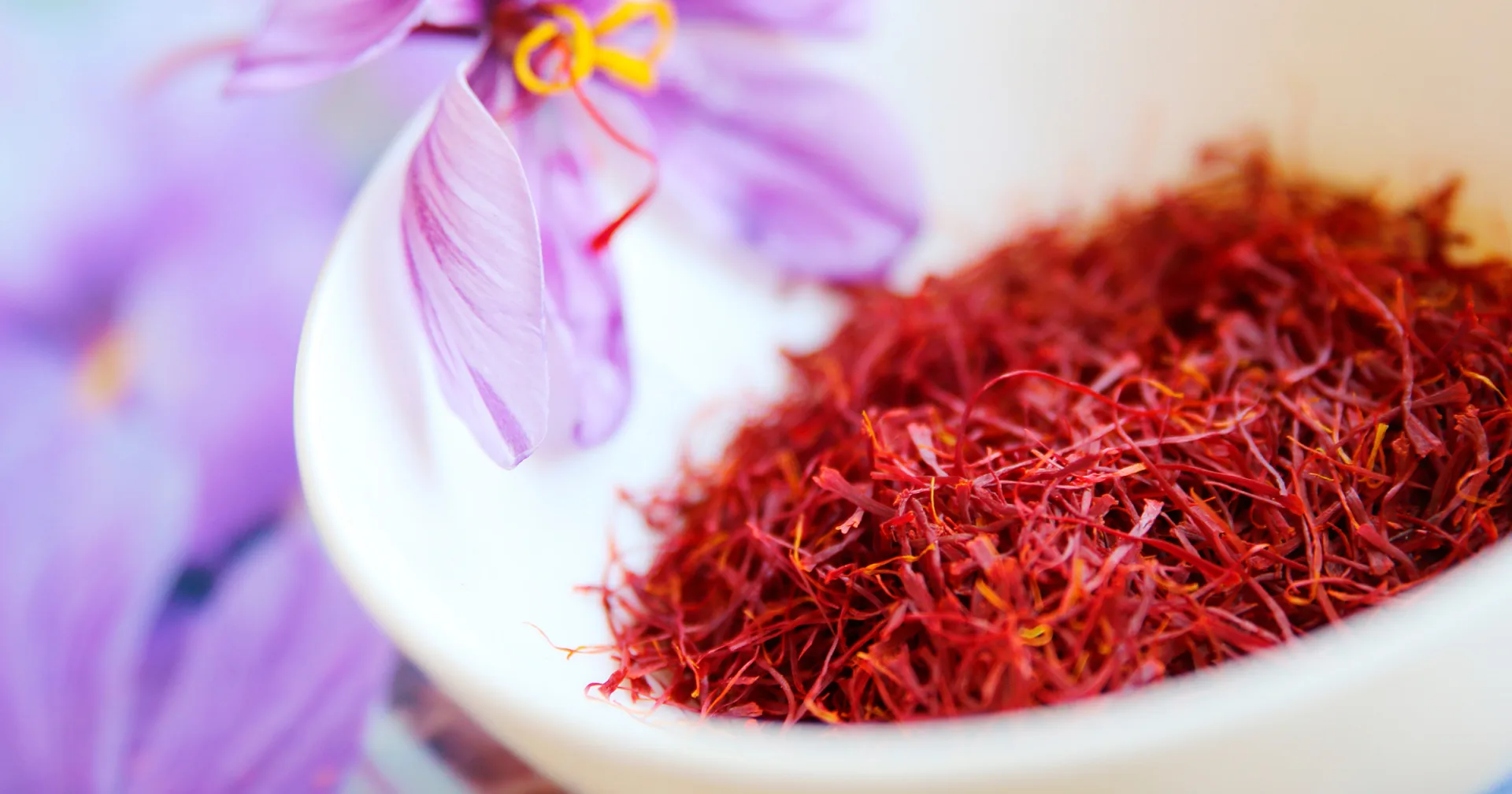
Kungumapoo in English means saffron. If you grew up around a Tamil kitchen you have probably seen the word written a few different ways — kungumapoo, kumkumapoo, kunguma poo — sitting on a small tin or glass jar next to the rest of the spice box. It is the same thread-like spice that the rest of the world calls saffron, harvested from the stigma of the Crocus sativus flower and dried until it turns that deep brick-red color. In Tamil, poo simply means flower, so kungumapoo roughly translates to "the kumkum flower," a nod to the color rather than any connection to the kumkum powder used in worship.
What Does Kungumapoo Actually Mean?
Each saffron flower produces three thin red stigma threads, and it takes an enormous number of flowers — tens of thousands — to produce even a kilogram of the dried spice. That is the real reason saffron has always been expensive, not marketing. When someone asks what kungumapoo is in English, the direct answer is saffron, full stop. There is no separate Tamil spice standing in for it; kungumapoo is the name, saffron is the translation, and kesar is what the same thing is called a state or two north in Hindi-speaking regions.
Kungumapoo Is Not the Same as Kungumam
This is the part that trips up even people who grew up with both words in the house. Kungumam (sometimes written kumkum) is the red or maroon powder used for the pottu on the forehead, applied during prayers, weddings, and daily worship. Kungumapoo is a completely different thing — it is a cooking spice, a dried flower part, something you steep in warm milk or sprinkle into a rice dish. The confusion mostly comes from the shared color and the shared root word kungumam, which in general usage just means "red." Saffron threads happen to stain things a reddish-gold, so the name stuck. But you would never apply kungumapoo to your forehead, and you would never cook with kungumam. If a recipe or a label uses "kungumapoo," it is talking about saffron the spice, not the vermilion powder.
Kungumapoo in Tamil Cuisine
In Tamil Nadu, kungumapoo shows up most often in milk-based sweets and festive cooking rather than everyday meals, simply because of the cost. A few strands go into paal payasam, badam halwa, and kesari (the semolina sweet, not to be confused with Kesari Hoovu, which is what Kannada speakers call the same spice). Soaking the threads in a spoon of warm milk for ten or fifteen minutes before adding them to a dish pulls out the color and aroma much better than tossing them in dry. Some households also add a pinch to biryani or pulao for color and a faint floral note, especially for weddings and Pongal-season cooking.
Kungumapoo in Tamil Households and Traditions
Beyond the kitchen, kungumapoo-infused milk is sometimes given to pregnant women in the later months, based on the belief that it helps with the baby's complexion — a tradition with no real scientific backing, but one that is still widely followed across South India. It also appears in some skincare pastes mixed with sandalwood or besan, again for its color and mild fragrance rather than any proven medicinal effect. None of this changes what the spice actually is: kungumapoo in English is saffron, used here the same way it is used anywhere else in the world, just folded into recipes and customs that are distinctly Tamil.
Buying Real Kungumapoo
Because genuine saffron is so labor-intensive to harvest, the market for fake or diluted kungumapoo is bigger than most buyers realize. Real threads are deep red with a slightly orange tip, brittle but not powdery, and they bleed color slowly into warm water rather than turning the whole glass orange in two seconds flat. If you want the real thing rather than dyed corn silk or safflower (which is sometimes sold as a cheap substitute), it helps to buy from a source that sells actual Kashmiri saffron, like this premium Kashmiri saffron, rather than an unlabeled jar at a general store.
Once you know that kungumapoo is simply the Tamil word for saffron, the rest falls into place — it is the same spice your Hindi-speaking neighbor calls kesar, the same one written as zafran in Urdu, just arriving in your kitchen through a different word.