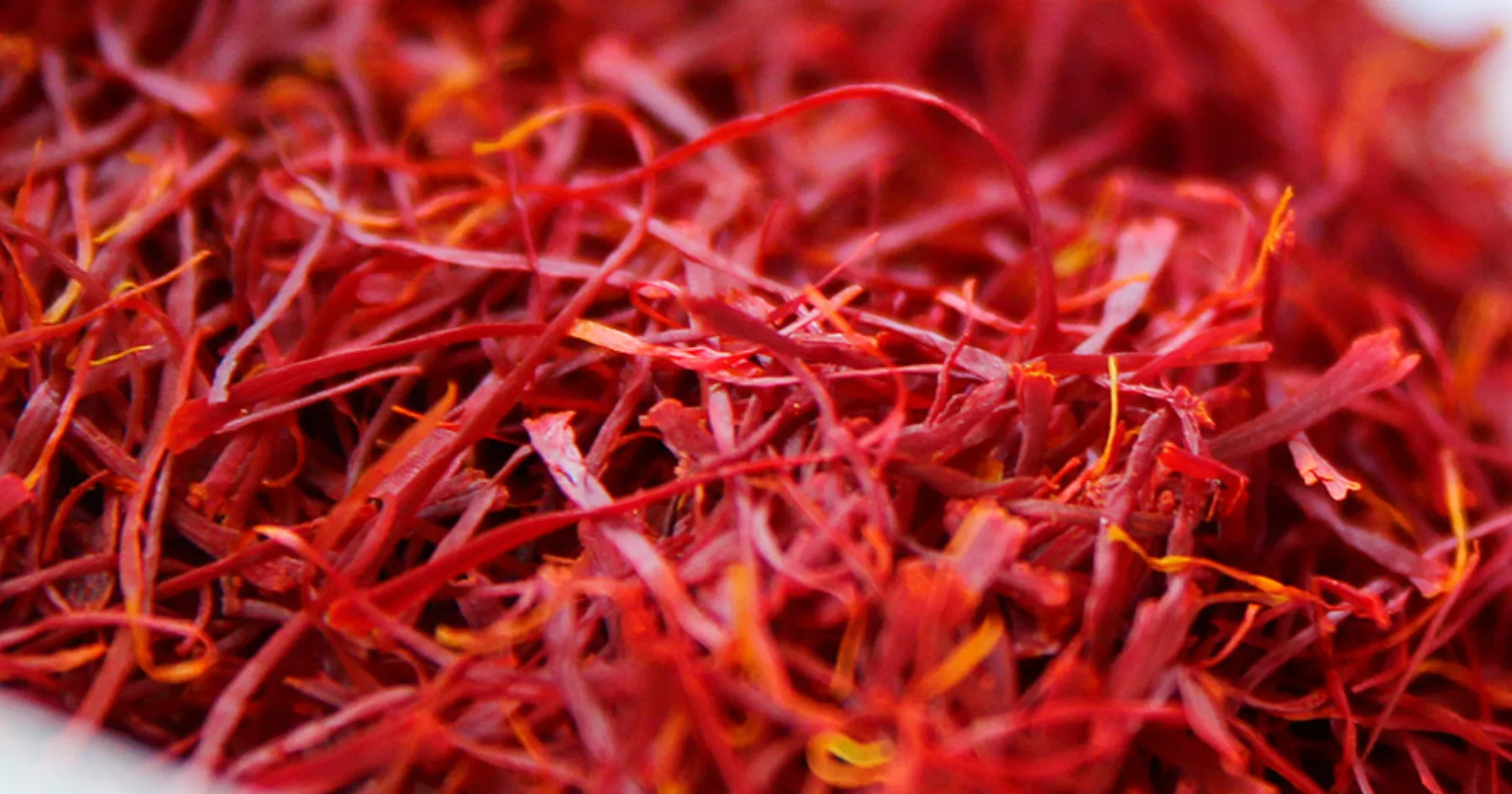
Kesari Hoovu in English is saffron. In Kannada, hoovu means flower, and kesari (or kesara) comes from the same root as kesar, the Hindi word for the spice, so kesari hoovu translates loosely to "saffron flower." It is the exact same spice sold as saffron in English-language markets worldwide — the dried red stigma threads of the Crocus sativus flower, grown mainly in Kashmir, Iran, and Spain, and shipped in small quantities because of how labor-intensive it is to harvest.
What Is Kesari Hoovu, Exactly?
A single Crocus sativus flower gives up just three stigma threads, hand-picked and dried. It takes close to 150,000 flowers to get a single kilogram of dried saffron, which is why even a small vial of kesari hoovu costs noticeably more than most other spices in the kitchen cabinet. When people in Karnataka ask what kesari hoovu is called in English, the straightforward answer is saffron — there is no separate ingredient hiding behind the Kannada name, just a regional term for the same internationally traded spice.
Kesari Hoovu Versus Kesari the Dish
One source of confusion worth clearing up: kesari is also the name of a popular South Indian semolina sweet, often made with ghee, sugar, and sometimes a pinch of saffron for color. The dish is called kesari because saffron (or sometimes just edible orange color) gives it that golden-orange hue, but kesari the dessert and kesari hoovu the spice are not interchangeable terms. If a recipe calls for kesari hoovu, it wants the actual saffron threads, not the sweet dish named after the color.
How Kesari Hoovu Is Used in Karnataka
In Karnataka kitchens, kesari hoovu shows up mostly in milk-based preparations — badam milk, kesari bath (the breakfast semolina dish, distinct from the dessert kesari), and festive sweets made during Ugadi or Ganesh Chaturthi. A pinch is usually bloomed in two or three tablespoons of warm milk before being stirred into the final dish, since dry threads release very little color or aroma on their own. It also turns up in some wedding-season rice preparations, where a few strands are scattered over the top of a biryani or pulao just before serving, mostly for the visual effect of those thin orange streaks running through the rice.
Where Karnataka Households Buy Kesari Hoovu
Traditionally, kesari hoovu was bought in tiny quantities from local spice shops or Ayurvedic stores, sold by weight in small paper packets rather than the sealed glass jars common in supermarkets today. That habit of buying "just a pinch" still holds in a lot of households, partly out of cost and partly because a little genuinely goes a long way — a few threads are enough to flavor and color an entire pot of milk. The downside of buying loose, unlabeled saffron is that there is no real way to check what you are getting; adulteration with dyed corn silk, safflower petals, or even plastic strands is common enough in the lower end of the market that it is worth being cautious. Buying from a source that specializes in Kashmiri saffron directly, such as this premium Kashmiri saffron, takes some of that guesswork out of it.
Checking Quality at Home
A simple test: drop two or three threads of kesari hoovu into a small cup of warm water. Real saffron releases its color slowly, over several minutes, turning the water a gradual golden-yellow while the threads themselves stay mostly intact rather than disintegrating. If the water turns bright red or orange almost instantly, or if the threads dissolve into mush, you are probably not looking at real saffron. The aroma matters too — genuine kesari hoovu has a faint, slightly hay-like, honeyed smell, not a sharp chemical one. Rubbing a thread between your fingers should leave a faint yellow-orange stain on your skin rather than a deep red streak, which is another quick giveaway that something has been mixed in or dyed.
Storing Kesari Hoovu So It Lasts
Saffron is sensitive to light, heat, and moisture, and a lot of households lose flavor simply by keeping it in the wrong spot. The threads should sit in an airtight container, ideally dark glass or a tin rather than clear plastic, somewhere away from the stove and direct sunlight. Kept this way, kesari hoovu holds its color and aroma for a couple of years, though most households use it up well before that since so little is needed per dish. Refrigeration isn't necessary and can actually introduce moisture if the container isn't sealed well, so a cool kitchen shelf usually works better than the fridge door.
So the next time someone in Bengaluru or Mysuru asks what kesari hoovu is called in English, the answer is simple: it is saffron, the same prized spice known as kesar in Hindi and kungumapoo in Tamil, just carrying its own name in Kannada kitchens.