Saffron has been studied in a number of small clinical trials for its possible effect on blood sugar regulation, and some early results are genuinely interesting — but the evidence is far from conclusive, and saffron is not a treatment for diabetes. This article looks at what the research actually shows, how it was conducted, and where the real limitations are.
Why Researchers Started Looking at Saffron and Blood Sugar
Saffron contains several unique compounds — crocin, crocetin, and safranal among them — that have been studied for antioxidant and anti-inflammatory properties. Since oxidative stress and inflammation are both linked to insulin resistance, researchers have been curious whether saffron's compounds might have a downstream effect on blood sugar regulation. This is the starting point for most of the small clinical trials that have been run so far, mostly in Iran, where saffron cultivation and research are both concentrated.
What the Studies Have Actually Found
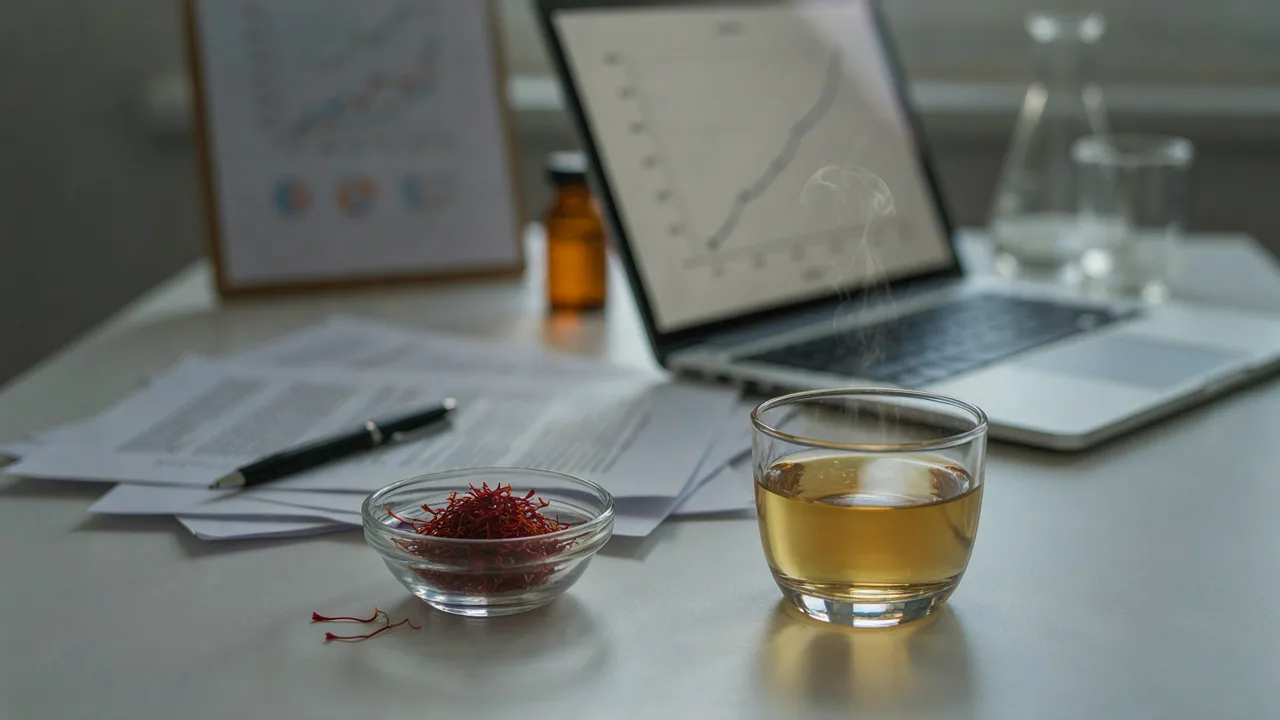
Several small randomized trials, typically involving a few dozen to around a hundred participants with type 2 diabetes or metabolic syndrome, have reported modest improvements in fasting blood glucose, HbA1c, or insulin resistance markers after several weeks of standardized saffron extract supplementation compared to a placebo group. Some studies have also reported improvements in triglycerides and other metabolic markers alongside blood sugar changes.
It's worth being precise about what "modest improvement" means here — these are typically statistically significant but clinically modest changes, not dramatic reversals of diabetes markers. They also come from small sample sizes, which limits how confidently the results can be generalized to a wider population.
Important Limitations in the Current Evidence
- Small sample sizes: Most trials involve well under 100 participants, which limits statistical power and makes it harder to rule out chance findings.
- Short duration: Most studies run for 8-12 weeks, so long-term effects and safety over months or years aren't well established.
- Standardized extract, not culinary saffron: Studies use specific, measured saffron extract doses — not the same as adding a few strands to your cooking, which delivers a much smaller and less consistent amount of active compounds.
- Geographic concentration of research: A large share of the published trials come from a small number of research groups, and independent replication in diverse populations is still limited.
What This Means If You Have Diabetes or Prediabetes
If you're managing diabetes or prediabetes, the honest takeaway is that saffron shows a promising research direction, not a proven treatment. It should never replace prescribed medication, dietary management, or medical monitoring. If you're interested in trying saffron alongside your existing management plan, discuss it with your doctor first — particularly because saffron may interact with blood-sugar-lowering medications, and unsupervised combination could theoretically increase the risk of hypoglycemia.
For general context on safe saffron intake, our saffron dosage guide covers commonly cited daily amounts for culinary and general wellness use — though the doses used in diabetes research are typically higher and more concentrated than what's discussed there.
Using Saffron as Part of a Balanced Diet
Independent of the diabetes-specific research, saffron remains a genuinely flavourful, antioxidant-containing spice that can be part of a balanced diet in moderate culinary amounts — a few strands in milk, rice, or tea. If you'd like to try genuine, lab-certified Kashmiri saffron for everyday culinary use, our Kashmiri Mogra saffron is hand-harvested and GI-tagged for authenticity.
The Bottom Line
Saffron and blood sugar is an active area of small-scale clinical research with encouraging but preliminary results. It is not a substitute for medical treatment, and anyone managing diabetes should treat saffron as a topic to discuss with their doctor, not a self-directed treatment change. As with most emerging nutrition research, larger, longer, and more diverse studies are needed before firm conclusions can be drawn.
For further reading on saffron's studied health properties more broadly, see the PubMed database of saffron and glycemic research.