Saffron for athletes is a topic that comes up often because saffron carries a long traditional reputation for supporting stamina and vitality, which naturally raises the question of whether it has any real place in an athlete's recovery routine. This article takes a grounded look at what's actually known, separating genuine traditional use from performance-enhancement marketing claims that aren't well supported.
Where Saffron's "Stamina" Reputation Comes From
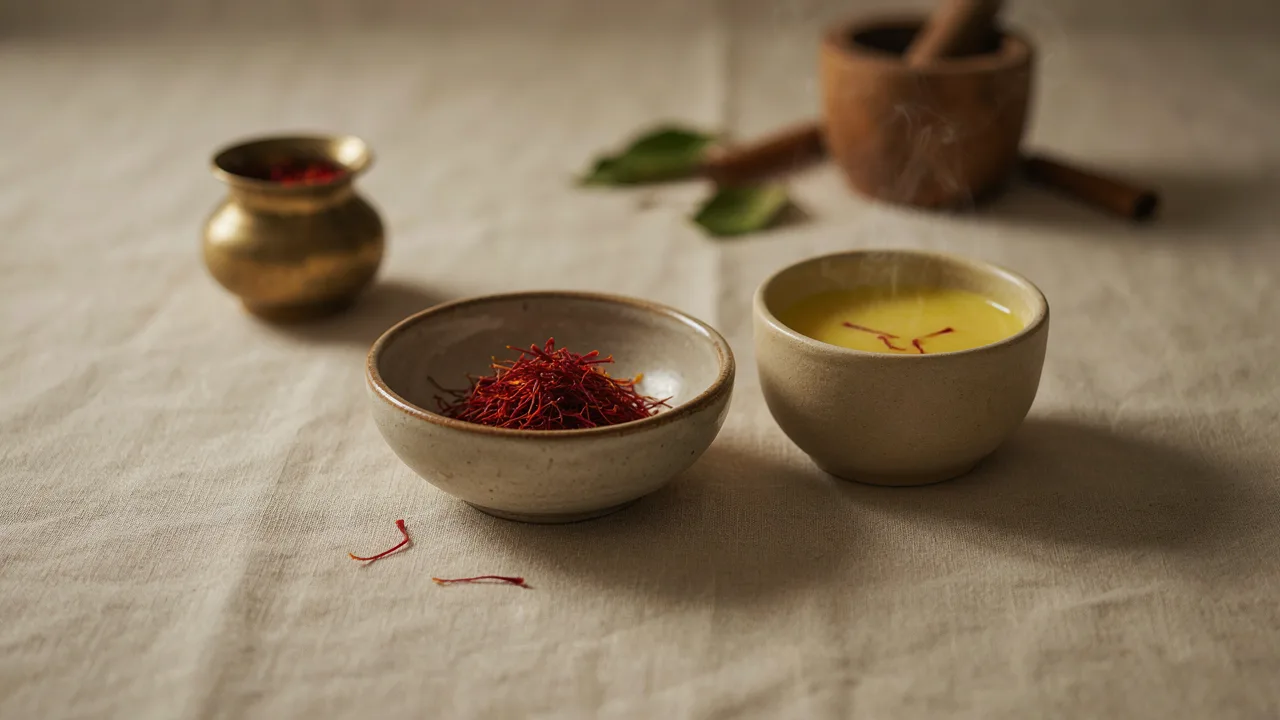
In Ayurvedic and broader South Asian traditional wellness practice, saffron has long been associated with supporting vitality and stamina, typically consumed as saffron-infused milk. This tradition predates modern sports science by centuries and wasn't built around athletic performance specifically — it was a general wellness practice believed to support overall energy and resilience.
What Modern Research Actually Shows
There is no substantial body of clinical research specifically testing saffron as a sports performance or recovery supplement in athletes. What does exist is broader research into saffron's antioxidant compounds (crocin, crocetin, safranal), which have been studied in other contexts for potentially countering oxidative stress — the cellular damage that increases during intense physical exertion. It's reasonable to note this connection exists in principle, but it would be inaccurate to claim this has been specifically proven in athletic populations through dedicated sports-science research.
What Saffron Is Not
To be direct: saffron is not a proven ergogenic aid in the way that creatine, caffeine, or beta-alanine have substantial sports-science backing. If you're looking for a supplement with strong evidence specifically for athletic performance, saffron isn't currently in that category, and it shouldn't be marketed or understood as one.
Where Saffron Might Reasonably Fit
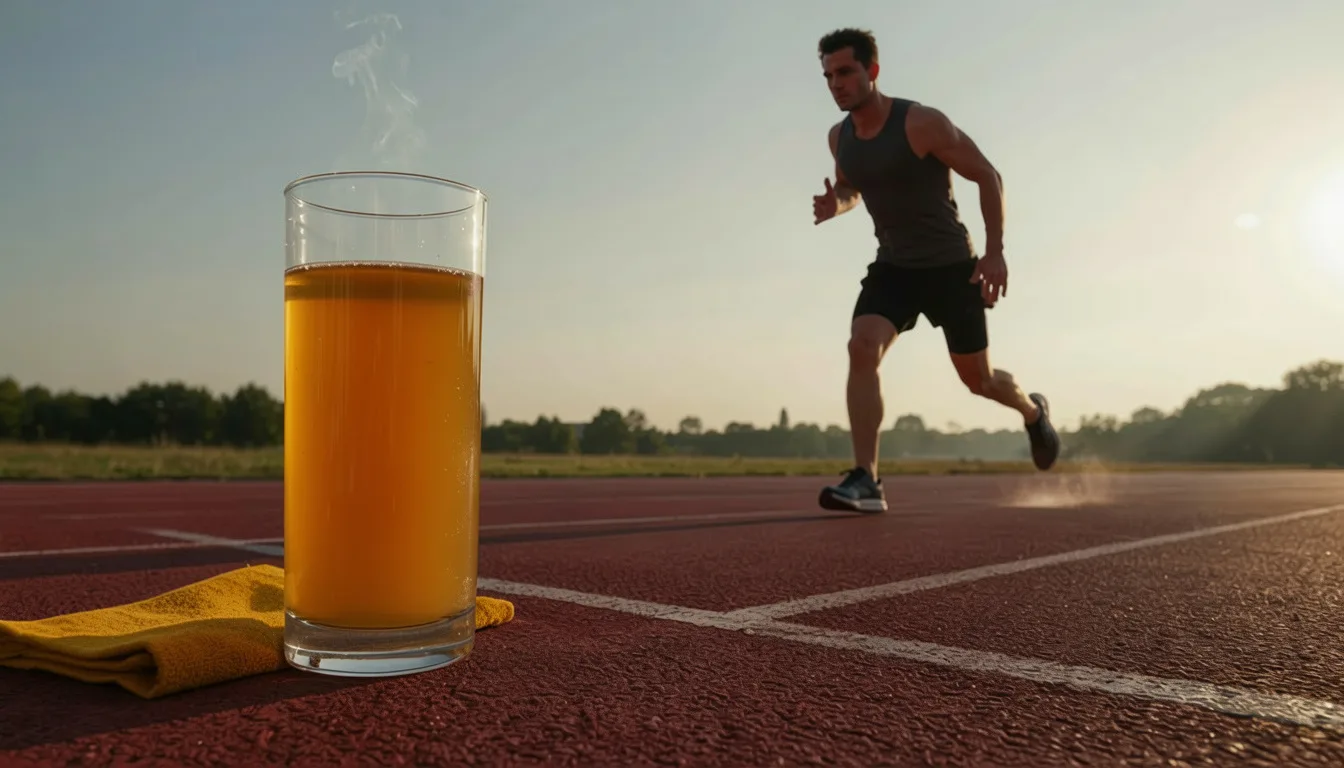
Rather than as a performance enhancer, saffron may reasonably fit into an athlete's routine the way it has traditionally been used — as part of a general recovery and wellness ritual, alongside (not instead of) proper nutrition, hydration, sleep, and training structure. A warm glass of saffron milk after training is a low-risk, traditional recovery ritual, even without strong athletic-specific clinical backing.
For athletes interested in traditional stamina-support ingredients more broadly, our Saffron & Shilajit gift combo pairs saffron with Himalayan Shilajit, another ingredient with a long traditional reputation for supporting stamina and physical resilience in Ayurvedic practice — again, understood as traditional use rather than a clinically proven performance supplement.
Anti-Doping Considerations
Saffron itself does not appear on major anti-doping prohibited substance lists, but any athlete competing under a regulated body should always verify current rules directly with their sporting federation and ideally consult a sports physician before adding any new supplement, since formulation and sourcing of supplement products (not necessarily saffron itself) can sometimes introduce contamination risks.
A Realistic Way to Use Saffron If You're an Athlete
- Treat it as a traditional recovery ritual, not a performance enhancer
- Use genuine, lab-certified saffron rather than a diluted or adulterated product, since quality control matters more when you're relying on a supplement as part of a serious training routine
- Don't let it substitute for proven fundamentals — sleep, hydration, protein intake, and a structured training and recovery plan
- Check with a sports physician if you're competing under an anti-doping-regulated body
Timing: When Athletes Traditionally Use Saffron
Within traditional practice, saffron milk is most commonly taken in the evening, which aligns reasonably well with a post-training recovery window rather than as a pre-workout stimulant — it has no meaningful caffeine-like stimulant effect, so it shouldn't be expected to provide an energising boost immediately before exercise the way caffeine or other pre-workout compounds do. If you're incorporating it into a training routine, treating it as part of your evening wind-down and recovery ritual is more consistent with both tradition and its likely physiological profile than expecting a pre-competition performance spike.
Hydration and Recovery Still Come First
It's worth restating plainly: no amount of saffron, or any other traditional ingredient, compensates for poor hydration, inadequate sleep, or insufficient protein and calorie intake around training. Athletes who search for supplement-based shortcuts sometimes do so at the expense of getting these fundamentals right first. Saffron, at best, sits alongside these fundamentals as a traditional addition — never as a substitute for them.
The Bottom Line
Saffron's connection to athletic performance is rooted in traditional wellness practice rather than dedicated sports science, and it should be understood that way — a reasonable, low-risk addition to a recovery ritual, not a substitute for proven training and recovery fundamentals or a clinically validated performance supplement.