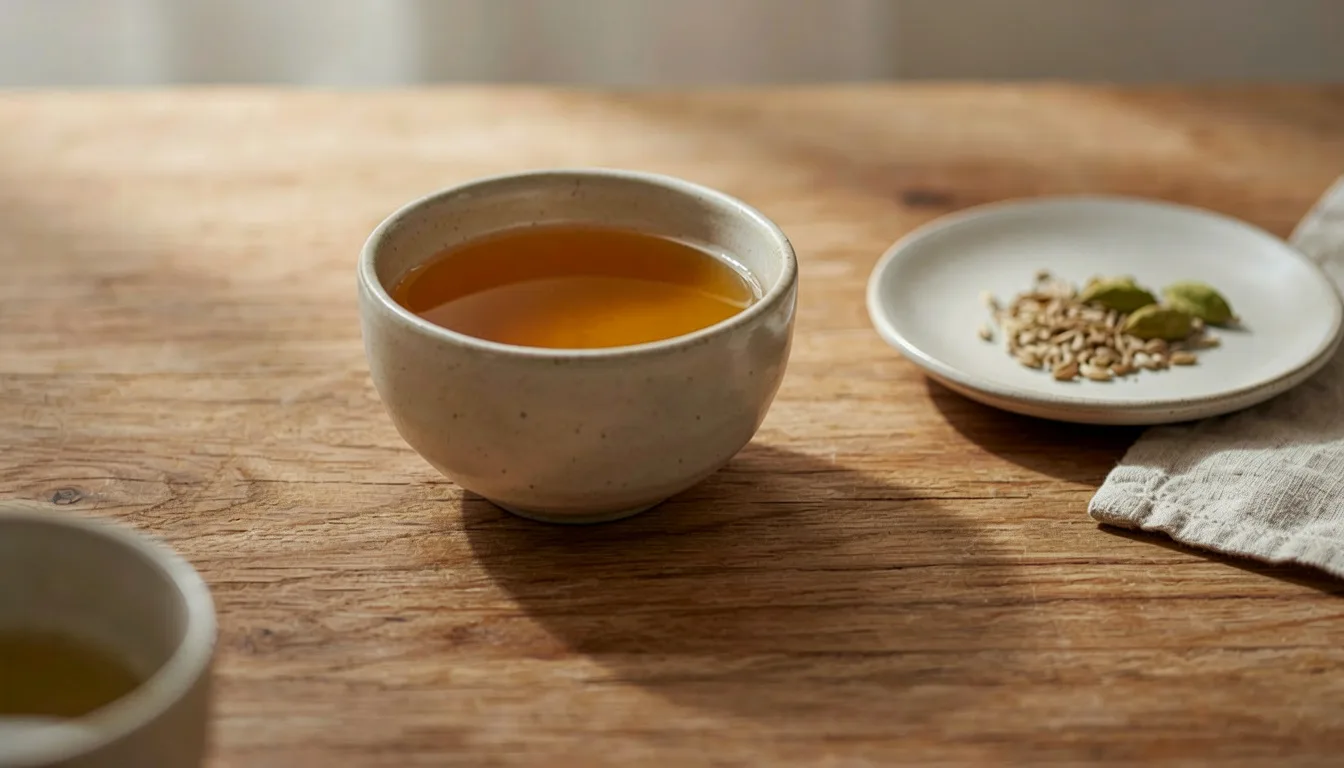
Warm saffron milk before bed is a genuine, generations-old tradition across South Asia and the Middle East — but "traditional bedtime drink" and "clinically proven sleep aid" are different claims, and it's worth understanding which one actually has research behind it. If you grew up with this drink, or you're curious whether it's worth starting, this article looks honestly at what's known, and separates the real tradition from overstated modern claims you might see attached to it online.
- The Tradition of Saffron Milk at Bedtime
- What Research Actually Exists on Saffron and Sleep
- The Theoretical Mood-and-Relaxation Connection
- Saffron Milk vs. Saffron Supplements for Sleep
- How Saffron Milk Compares to Other Bedtime Remedies
- What the Evidence Does Not Show
- Who Should Be Cautious
- A Realistic Bedtime Routine, If You're Curious
- Sleep Habits With Much Stronger Evidence
- When Sleep Trouble Needs More Than a Home Remedy
- The Bottom Line
The Tradition of Saffron Milk at Bedtime
Warm milk infused with a few strands of saffron, often with a pinch of cardamom or a touch of honey, is a genuine bedtime ritual in many South Asian and Middle Eastern households, passed down as part of broader traditions around warm milk, comfort, and winding down for the night. This tradition predates any modern research by generations, and its staying power says something real about lived, practical experience — even separate from the question of what controlled clinical research can or can't confirm about it.
What Research Actually Exists on Saffron and Sleep
Here's the honest state of the research: there is very limited direct clinical research testing saffron specifically for insomnia or sleep quality as a primary outcome. This is a genuinely under-studied area compared to some other saffron health topics — unlike the more developed trial base around saffron and mood (covered in our piece on saffron and mental health), dedicated sleep-outcome trials are scarce. Some animal studies and a small number of human studies have touched on relaxation or sedative-adjacent effects, but this is a thinner evidence base than several other saffron health topics, and it's worth being upfront about that rather than overstating it.
The Theoretical Mood-and-Relaxation Connection
There's a reasonable, if indirect, theoretical link worth understanding: saffron's more established research is around mood and anxiety-related symptoms, and anxiety is a well-documented contributor to difficulty falling and staying asleep. If saffron has a genuine calming effect for some people — which the mood research suggests is plausible, within limits — it's reasonable to think that could indirectly support sleep for someone whose sleep trouble is anxiety-related specifically. This is a theoretical bridge between two separate bodies of research, though, not a direct finding from a sleep-focused study, and it's important not to blur the two together as if they were the same evidence.
Saffron Milk vs. Saffron Supplements for Sleep
It's worth distinguishing the traditional bedtime drink — a few strands in warm milk, a culinary and ritual amount — from standardized saffron extract supplements marketed specifically for sleep. The handful of studies touching on saffron and relaxation generally used standardized extract at measured doses, not the amount found in a cup of saffron milk. If you enjoy saffron milk as part of a calming bedtime routine, that's a reasonable thing to continue for its own sake; just don't assume it carries the same (already limited) research weight as a measured supplement dose would, because the amounts aren't comparable.
How Saffron Milk Compares to Other Bedtime Remedies
It helps to see saffron milk alongside other traditional bedtime drinks people reach for. Plain warm milk itself has a long folk reputation as sleep-promoting, generally attributed to tryptophan content and the simple comforting ritual of a warm drink before bed, though the clinical evidence for milk alone inducing sleep is also fairly modest. Chamomile tea has a somewhat more developed research base than saffron specifically for sleep and relaxation, built around apigenin, a compound that binds to certain receptors in the brain associated with calmness. Valerian root has the longest history of use as a sleep aid among herbal options and a moderate amount of clinical research, with mixed but somewhat more consistent results than saffron's current sleep-specific evidence. None of these, saffron included, rival prescription sleep aids or structured insomnia treatment in strength of evidence — but among traditional options, saffron milk sits as a pleasant, low-risk ritual rather than a standout proven remedy.
What the Evidence Does Not Show
Saffron, in milk or supplement form, is not a proven treatment for insomnia or any diagnosed sleep disorder. There's no strong clinical evidence it reduces the time it takes to fall asleep, improves sleep duration, or addresses conditions like sleep apnea, restless leg syndrome, or chronic insomnia. Treat any strong claim to the contrary — especially anything framed as "saffron cures insomnia" — with real skepticism, since it goes well beyond what the thin existing research actually supports.
Who Should Be Cautious
Typical culinary amounts of saffron in warm milk aren't linked to a specific sleep-related safety concern for most healthy adults. That said, anyone with a milk allergy or lactose intolerance should adjust the base (plant-based milk works fine for the ritual itself, though the flavour profile will differ slightly from dairy), and anyone pregnant, breastfeeding, or managing a health condition should check our dedicated guides on saffron during pregnancy and saffron during breastfeeding, or speak with their doctor, rather than assuming general safety information applies uniformly. If you're already taking any sedating medication or supplement for sleep, it's also worth mentioning saffron milk to your doctor simply so they have the full picture of what you're taking, even though it's a low-risk, culinary-level addition.
A Realistic Bedtime Routine, If You're Curious
If you'd like to try saffron milk as part of a wind-down routine, a traditional approach is simple: steep 4 to 6 strands of genuine saffron in a cup of warm (not boiling) milk for a few minutes, optionally with a pinch of cardamom or a small amount of honey, roughly 30 to 60 minutes before bed. Warming rather than boiling the milk matters a little — very high heat can degrade some of saffron's more delicate aromatic compounds over time, though this is more about flavour and fragrance than any safety concern. Treat it as one piece of a broader wind-down routine rather than expecting it to work in isolation: dimming lights, putting screens away, and giving yourself a consistent 20 to 30 minutes of quiet time before bed will generally matter more than the drink itself. Our full saffron milk recipe guide covers several variations, including dairy-free versions, if you'd like to experiment with the preparation.
Sleep Habits With Much Stronger Evidence
If better sleep is the actual goal, several well-established habits have far more robust evidence behind them than any bedtime drink: a consistent sleep and wake schedule, even on weekends, which helps regulate your body's internal circadian rhythm; limiting screen exposure and bright light in the hour before bed, since blue light specifically can suppress melatonin production; keeping the bedroom cool, dark, and quiet; avoiding caffeine in the afternoon and evening, since its effects can linger for six hours or more depending on individual metabolism; and limiting alcohol, which can fragment sleep in the second half of the night even though it initially feels sedating. Regular daytime exercise also has a well-documented positive effect on sleep quality, provided it's not too close to bedtime for you personally. These fundamentals of sleep hygiene are backed by decades of research and matter considerably more than what's in your evening drink, saffron included.
When Sleep Trouble Needs More Than a Home Remedy
If sleep trouble is persistent, significantly affecting your daily functioning, or accompanied by other symptoms — loud snoring with breathing pauses, excessive daytime sleepiness, or ongoing difficulty falling or staying asleep for weeks at a time — that's a reasonable point to see a doctor rather than continuing to rely on home remedies alone. Chronic insomnia and sleep disorders are treatable conditions, with options like cognitive behavioural therapy for insomnia (CBT-I) carrying strong clinical evidence as a first-line treatment, often more effective long-term than medication alone. A home ritual, however pleasant, isn't a substitute for proper evaluation when sleep problems are genuinely disrupting your life, and waiting it out with tea or warm milk indefinitely can delay getting help that actually works.
The Bottom Line
So, does saffron help you sleep? The honest answer is: possibly a little, indirectly, for some people, through its better-studied effect on mood and relaxation — but there isn't a dedicated body of sleep-specific research to point to yet. Saffron milk at bedtime is a real, meaningful tradition, and there's a plausible, if indirect, theoretical connection through saffron's more established mood research — but direct clinical evidence for saffron as a sleep aid is thin. Enjoy the ritual for what it genuinely is, lean on well-established sleep hygiene habits for the heavy lifting, and see a doctor if sleep trouble persists.
For further reading, see the PubMed database of saffron and sleep-related research. For genuine, lab-verified Kashmiri saffron for your own bedtime milk, see our Kashmiri Mogra saffron.
Please note: This article shares general food and nutrition information and is not medical advice. It is not meant to diagnose, treat or prevent any condition. If you are pregnant or breastfeeding, take regular medication, or have a health condition, speak to your doctor before changing your diet or using any food as a remedy.