Saffron can be introduced to children from around 6 months of age, in very small amounts mixed into food or milk — but this should always be discussed with your pediatrician first, since there's no formal pediatric safety standard, and saffron is a genuinely potent spice. This guide covers what's commonly recommended, with appropriate caution throughout.
Why This Topic Needs Real Caution
Saffron is one of the most concentrated spices in regular culinary use — a genuinely effective dose is a handful of threads, not a spoonful. That potency is exactly why it needs more care with children than most foods: what's a negligible amount for an adult can be proportionally much larger for a small child's body weight. There are no large, formal pediatric clinical trials establishing an official safe dosage for children the way there are for some adult uses (like the depression and pregnancy research we cite elsewhere on this site). Everything in this article should be read as general, cautious guidance — not a substitute for your pediatrician's advice, especially for infants and toddlers.
Age-by-Age General Guidance
| Age | Commonly Cited Range | Notes |
|---|---|---|
| Under 6 months | Not recommended | No established safety basis for infants this young |
| 6-12 months | A tiny pinch (under 5mg) | Mixed into food or milk, introduced gradually, only with pediatrician input |
| 1-3 years (toddlers) | Up to ~10mg/day | A small pinch; watch for any reaction the first few times |
| 4-12 years | ~10-30mg/day | Roughly a quarter to half a strand's worth in practical terms |
These ranges reflect commonly cited general wellness guidance, not a single authoritative pediatric medical standard. Always check with your child's doctor before introducing saffron, particularly for infants and toddlers.
How to Introduce It, If Your Pediatrician Is Fine With It
- Start with the smallest realistic amount — a single strand or less, not a pinch, the very first time.
- Mix it into warm milk or food rather than giving raw threads directly, especially for younger children.
- Wait and watch for any reaction (digestive upset, unusual behaviour) before making it a regular addition.
- Increase gradually, if at all, staying within the general ranges above and your pediatrician's specific guidance.
- Never exceed the recommended range "to be safe" — with saffron, more is not better, and high doses are a genuine safety concern at any age.
Why Some Parents Consider It
Saffron has a long traditional use in South Asian households, often added to milk for children in small amounts, associated with general wellness and as a natural food colouring/flavouring. That tradition is real, but it's worth separating "traditionally used" from "clinically proven for children" — the latter doesn't really exist as a formal research base the way it does for some adult uses. If you're introducing saffron, it's reasonable to think of it as a traditional dietary addition in very small amounts, not a supplement with a specific proven pediatric benefit.
Questions Worth Asking Your Pediatrician
Since general online guidance can only go so far, it helps to go into that conversation prepared. Worth asking directly: is there any reason specific to your child (allergies, existing medication, a medical condition) that would make saffron inadvisable; what amount, if any, they'd consider reasonable for your child's age and weight; and whether there's a preferred way to introduce it (mixed into milk versus food) given your child's diet. A few minutes of that conversation is worth far more than any general article, including this one.
Warning Signs to Watch For
At the general amounts above, mild stomach discomfort or nausea are the most commonly reported issues, affecting a minority of users in the pediatric research that does exist. High doses of saffron are a real safety concern at any age — this isn't a "some spices are technically toxic in huge amounts" caveat, it's a genuine, documented risk. If a child shows unusual drowsiness, vomiting, or any concerning symptoms after having saffron, stop use and contact a doctor.
Why Quality Matters Even More With Children
If you're going to use saffron with a child at all, genuine, lab-tested saffron matters more here than almost anywhere else — adulterated or dyed "saffron" sold cheaply can contain substances with real risks that have nothing to do with saffron itself. See our certifications page and verification page for how to confirm what you're actually giving your child is genuine, lab-tested Kashmiri Mongra saffron, not an unverified product.
Simple Ways Parents Commonly Include It
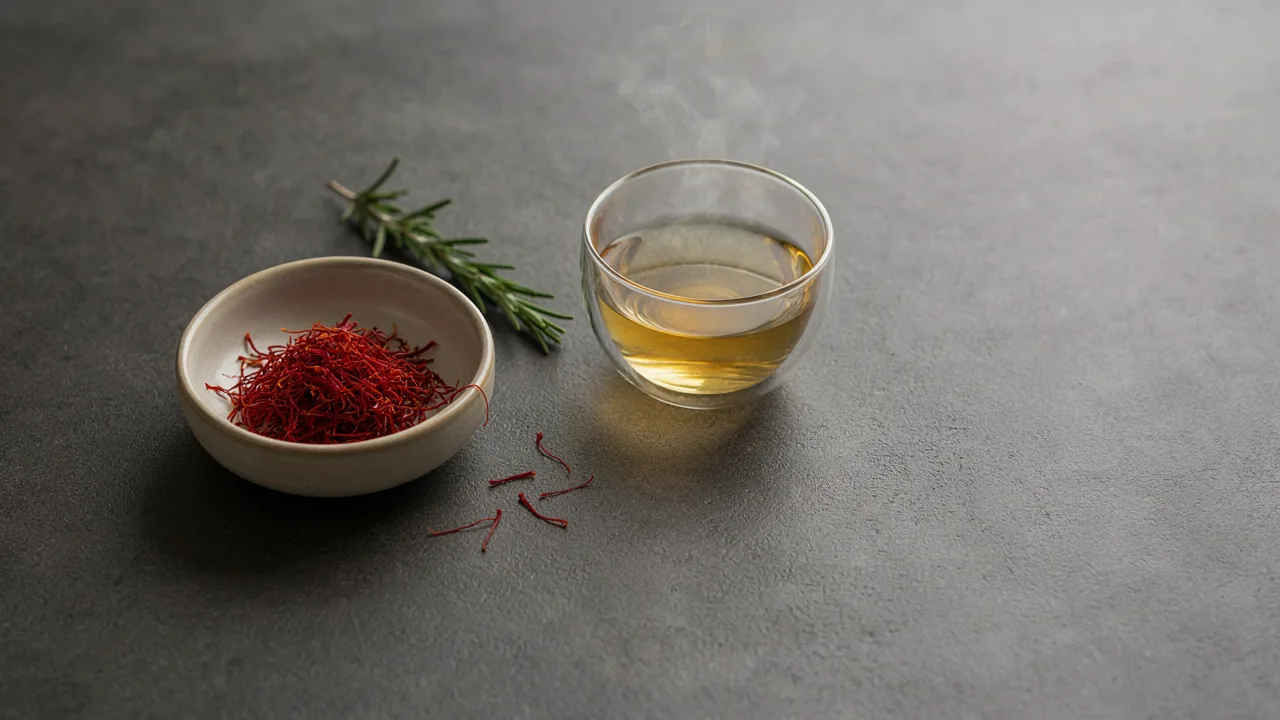
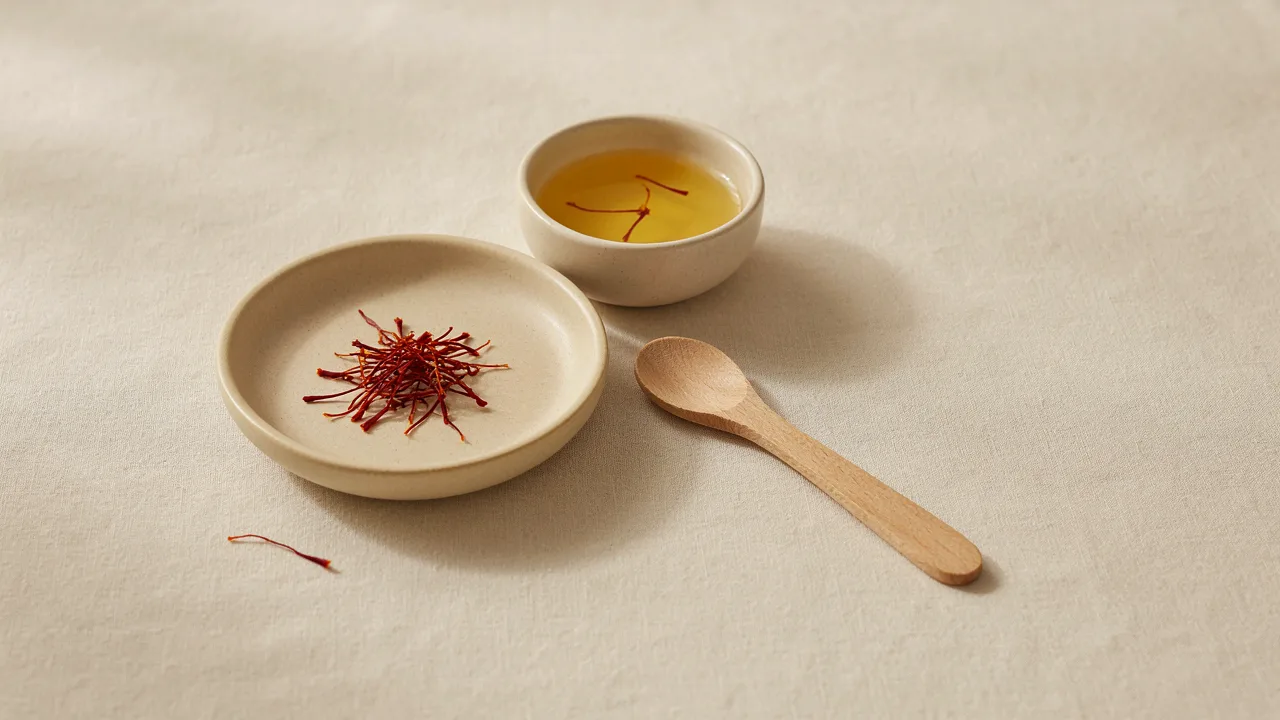
If your pediatrician is comfortable with it, the most common and lowest-risk way to introduce saffron is dissolved into warm milk — a few threads steeped for several minutes, strained if needed for younger children. Some parents also mix a tiny amount into porridge, khichdi, or rice dishes rather than milk, which achieves a similar effect. Whichever way you choose, the key principle stays the same: start with far less than you think you need, and treat any specific "recipe" you find online as a starting point to discuss with your pediatrician, not a fixed instruction.
"Natural" Doesn't Mean Risk-Free
It's worth saying plainly: saffron being a natural spice doesn't mean it's automatically safe in any amount, and true allergic reactions, while uncommon, are possible with any new food introduced to a child. The same first-time-food caution you'd apply to any new ingredient — a small amount, introduced alone rather than mixed with several other new foods at once, with time to observe before trying again — applies here too. This is a normal part of introducing any new food to a young child, not something specific to saffron, but it's easy to overlook with a spice that has such a strong traditional "good for you" reputation.
Putting the Amounts Into Perspective
The quantities discussed above are genuinely tiny — a single saffron thread weighs roughly 2mg, so even the upper end of the commonly cited range for older children (around 30mg/day) is only about 15 threads, and the amount for a toddler is closer to 2-3 threads. Framed this way, it's easier to see why precision matters so much here compared to most foods: with something this concentrated, "a pinch" from one person's hand can vary widely from another's, which is exactly why starting smaller than you think necessary, and being consistent about the amount once you settle on one, matters more than it would with, say, a pinch of turmeric.
A Long Tradition, Handled With Modern Care
Saffron milk for children is a genuinely old practice across South Asian households, often given as part of general childhood wellness routines alongside other traditional foods. That long history is worth respecting — it reflects generations of families using saffron thoughtfully, in small amounts, as part of a varied diet, not as a supplement taken in isolation. The right way to carry that tradition forward today is to combine it with what we now know more formally: getting a pediatrician's input for your specific child, watching for reactions the way you would with any new food, and being precise about quantity rather than relying on a loosely-remembered "a pinch" passed down without much more detail.
What to Buy If You're Using Saffron for Children
Given how little saffron is actually used per serving for a child, the quality of what you're using matters more than the quantity — a tiny amount of genuine, lab-tested saffron is a very different thing from the same tiny amount of an adulterated or dyed product, which may contain colourants or substances that have nothing to do with real saffron. This is one of the clearest cases where paying more for a verified, GI-tagged, lab-tested source is worth it, precisely because the amount involved is so small that cost isn't really the deciding factor — authenticity is. Our Mongra vs Lacha vs Zarda comparison explains the real grading differences if you want to understand what you're actually buying.
The Bottom Line
Saffron can likely be introduced to children in small amounts from around 6 months onward, based on general traditional and wellness guidance — but there's no large-scale pediatric clinical trial establishing a definitive safe dose, and saffron is potent enough that this genuinely isn't a "figure it out yourself" situation. Talk to your pediatrician before introducing it, start with the smallest realistic amount, watch for any reaction the way you would with any new food, and prioritize verified, genuine saffron over price if you do decide to use it.