Is saffron kosher? Yes, saffron itself is kosher. The dried stigma threads of the Crocus sativus flower are a plant product, and plant-derived spices in their natural, unprocessed form don't carry the kind of concerns that apply to meat, dairy mixing, or certain additives under kashrut. If you're asking whether saffron, the ingredient, conflicts with kosher dietary law, the short answer is no, it doesn't.
Why Saffron Is Kosher by Nature
Kosher law is built around a few core categories: permitted and forbidden animals, the separation of meat and dairy, and rules around how food is processed and handled. Saffron falls outside nearly all of that. It comes from a flower, it's harvested by hand, and the only processing involved in producing the raw spice is drying. There's no slaughter, no dairy, no cross-contamination risk inherent to the plant itself. This is exactly why saffron shows up without controversy in countless kosher kitchens, from Persian Jewish communities that have cooked with it for generations to modern kosher bakeries using it in challah and pastries.
The Ingredient Versus the Certification
Here's where it's worth slowing down, because "is saffron kosher" and "is this specific saffron product certified kosher" are two different questions. Saffron the plant is inherently kosher in the sense that nothing about its nature conflicts with kashrut. But kosher certification — an actual hechsher, the symbol or mark from a recognized kosher-certifying body like the OU, Kof-K, or a similar organization — is a separate, formal process. It involves inspecting the facility, the equipment, and the full production chain, not just the raw ingredient. A bag of saffron can be perfectly kosher in nature while still not carrying any official certification mark, simply because the seller never went through that certification process.
For most home cooks, that distinction doesn't matter much. For someone who specifically wants or needs certified-kosher products — for religious observance reasons, or because they're selling to a kosher market — it matters a great deal, and the only reliable way to know is to look for an actual hechsher symbol on the specific product's packaging.
What Could Affect Kosher Status
For plain, whole saffron threads with no other ingredients, there's essentially nothing to flag. The picture can change with processed saffron products — extracts, flavored syrups, or saffron blended into prepared foods — where other ingredients or shared processing equipment could introduce a kosher concern unrelated to the saffron itself. This is the same logic that applies to halal status: the spice is fine, but a multi-ingredient product built around the spice needs its own ingredient check.
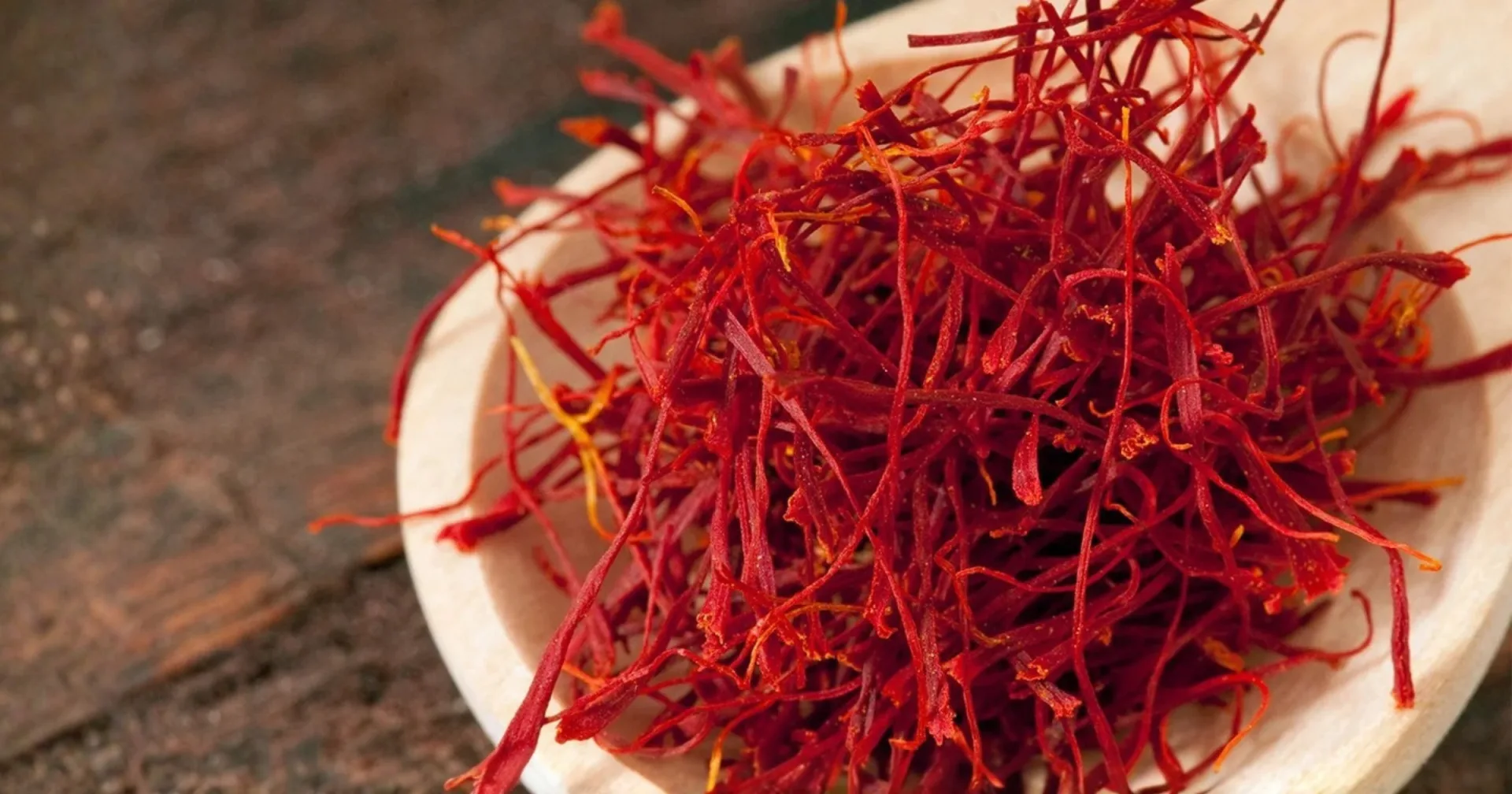
Saffron in Jewish Culinary Tradition
Saffron has a long history in Sephardic and Persian Jewish cooking especially, showing up in rice dishes, stews, and festive breads where its color and aroma mark a special occasion. Its use in these traditions long predates the modern kosher certification industry, which is a reasonable indicator that the spice itself has never been the problem — certification is a more recent, formal layer on top of an ingredient that was already considered acceptable.
Why Some Buyers Still Want a Certification Mark
Even when an ingredient is kosher by nature, plenty of observant buyers prefer to see an official hechsher before stocking it in their kitchen, and there are good reasons for that beyond personal preference. Some communities and institutions, like kosher caterers, synagogues, or kosher-certified bakeries, are required to use only certified ingredients regardless of how straightforward the ingredient itself seems. Certification also covers things an individual buyer usually can't verify on their own, like whether shared equipment at a processing facility also handles non-kosher products. For a single-ingredient spice like saffron, that risk is low, but it's exactly the kind of thing a certifying body is set up to check.
Buying Saffron for Kosher Kitchens
If you want plain saffron with nothing else mixed in, buying whole threads keeps things simple, since there's no secondary ingredient list to check. A straightforward option like this premium Kashmiri saffron is sold as pure dried threads. That said, we're not a certified kosher producer, and nothing here should be read as a certification claim. If a hechsher mark specifically is what you need, the right move is to check the packaging of the exact product you're considering, or contact the seller directly, rather than relying on a general article like this one.