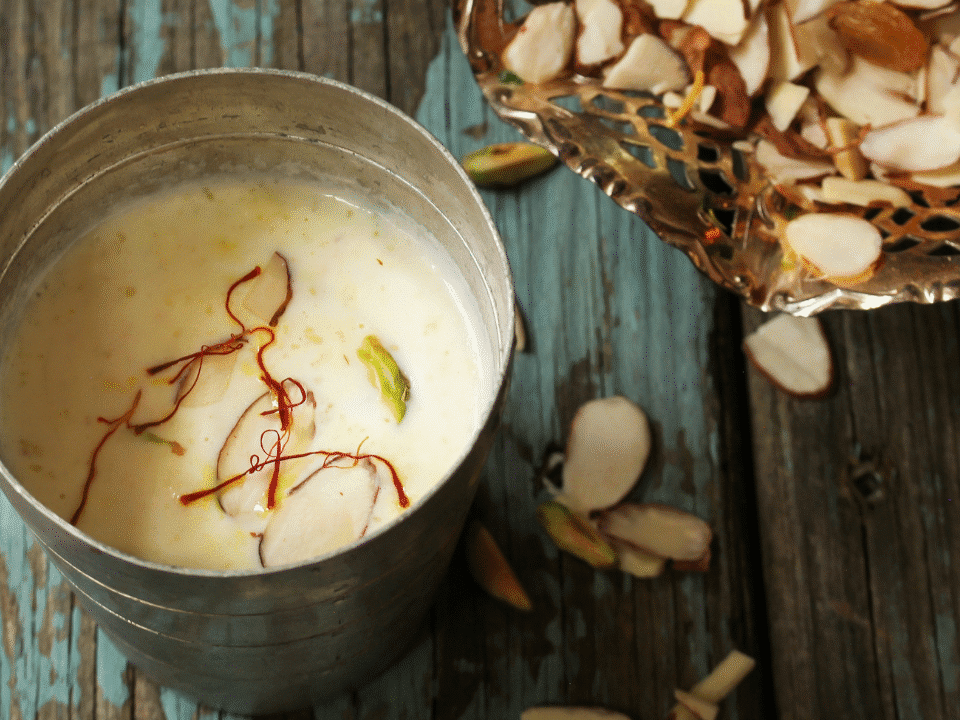


Best Time to Drink Saffron Milk: Morning vs Night (2026)
December 10, 2025
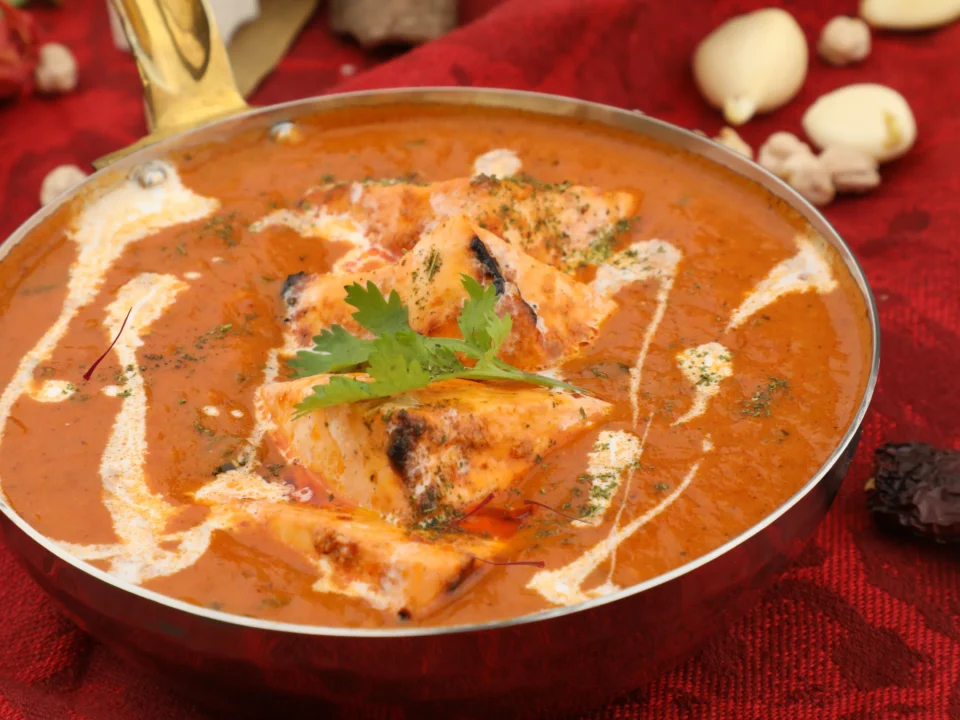
Saffron Paneer Butter Masala – Creamy Indian Cottage Cheese Curry
December 26, 2025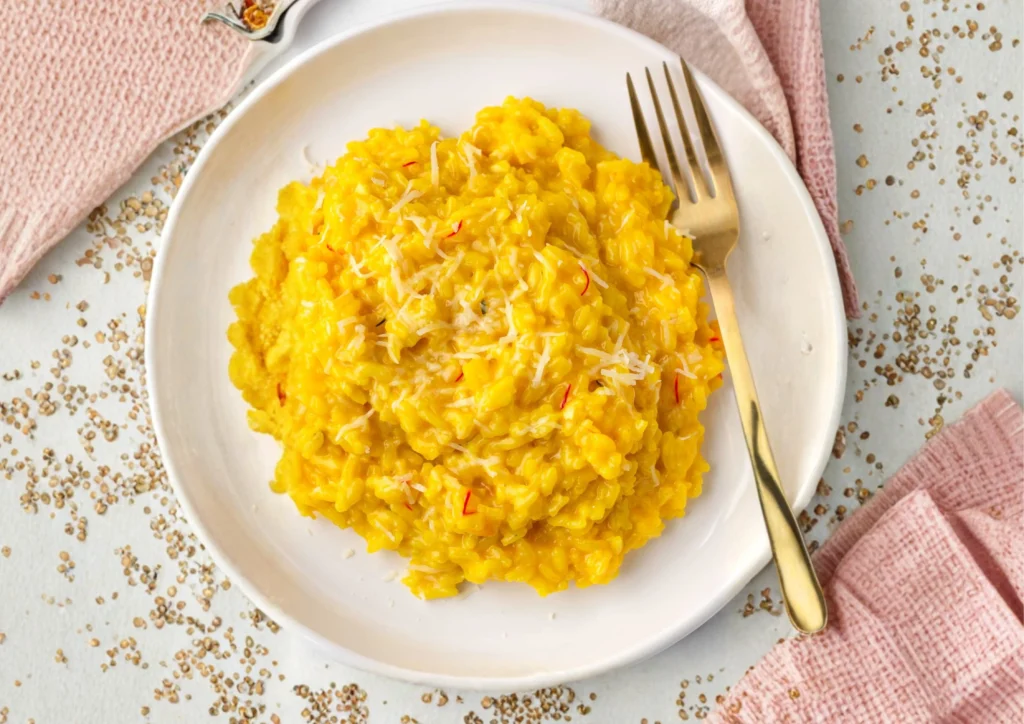
Are you craving a luxurious Italian dish that combines creamy texture with the golden elegance of saffron risotto? This authentic recipe brings together the finest Kashmiri saffron and aged Parmesan cheese to create a restaurant-quality meal in your own kitchen. Whether you’re hosting a dinner party or treating yourself to gourmet comfort food, this saffron risotto delivers unmatched flavor and visual appeal.
The secret to perfect saffron risotto lies in using premium ingredients and mastering the traditional Italian cooking technique. In just 30 minutes, you’ll have a stunning golden dish that’s both elegant and satisfying.
Table of Contents
What is Saffron Risotto?
Saffron risotto, known in Italy as “Risotto alla Milanese,” is a classic Northern Italian dish that originated in Milan during the 16th century. This creamy rice dish showcases Arborio rice slowly cooked in broth until it reaches a velvety consistency, infused with the distinctive flavor and golden color of saffron threads.
Unlike regular rice dishes, risotto requires constant stirring and gradual liquid addition. This technique releases the rice’s natural starches, creating the signature creamy texture without adding cream. The addition of saffron elevates this humble dish into a luxurious culinary experience.
Traditional saffron risotto is celebrated for its vibrant yellow-orange hue and delicate floral notes. The dish represents the perfect marriage of simplicity and sophistication in Italian cuisine.
Why Use Kashmiri Saffron in Risotto?
While Spanish and Iranian saffron are commonly used in European cooking, Kashmiri saffron offers superior quality that transforms your saffron risotto into an extraordinary dish. Here’s why premium Kashmiri saffron makes all the difference:
Exceptional Color Strength
Kashmiri saffron contains higher levels of crocin, the compound responsible for its deep crimson color. Just a few threads create a stunning golden-orange risotto that’s more vibrant than recipes using other saffron varieties. This means you need fewer strands to achieve the perfect color.
Superior Flavor Profile
The unique terroir of Kashmir’s high-altitude fields produces saffron with a more complex, honey-like sweetness and subtle floral notes. This nuanced flavor complements the rich, savory Parmesan without overpowering the dish.
Powerful Aroma
With its higher safranal content, Kashmiri saffron releases an intoxicating aroma that fills your kitchen as you cook. This fragrant quality enhances the overall sensory experience
of your risotto.
Better Value Despite Higher Cost
Because Kashmiri saffron is more potent, you use less per recipe. A small amount goes a long way, making it cost-effective in the long run despite its premium price point.
Health Benefits of Saffron Risotto
Beyond its exquisite taste, saffron risotto offers numerous health benefits thanks to its star ingredient:
Rich in Antioxidants
Saffron contains powerful antioxidants including crocin, crocetin, safranal, and kaempferol. These compounds protect your cells from oxidative stress and may reduce the risk of chronic diseases.
Mood Enhancement
Studies published in the Journal of Integrative Medicine show that saffron may help alleviate mild to moderate depression. Its natural compounds can boost serotonin levels, earning it the nickname “sunshine spice.”
Anti-Inflammatory Properties
The bioactive compounds in saffron have anti-inflammatory effects that may help reduce inflammation throughout the body, supporting joint health and overall wellness.
Digestive Support
Saffron has been traditionally used to aid digestion and soothe the stomach. Combined with the easily digestible Arborio rice, this makes saffron risotto a comfort food that’s gentle on your digestive system.
Heart Health
According to research from PubMed, saffron’s antioxidants may help lower cholesterol and blood pressure, supporting cardiovascular health.
Ingredients You’ll Need
Creating authentic saffron risotto requires quality ingredients. Here’s everything you need for 4 servings:
Essential Ingredients
- 15-20 strands Kashmiri saffron – Buy premium Kashmiri saffron here
- 1½ cups Arborio rice – Short-grain Italian rice (do not substitute with long-grain rice)
- 5 cups chicken or vegetable broth – Homemade preferred, low-sodium store-bought works
- ½ cup dry white wine – Pinot Grigio or Sauvignon Blanc (alcohol cooks off)
- 1 cup freshly grated Parmesan cheese – Parmigiano-Reggiano, aged 24+ months
- 1 medium onion (¾ cup finely diced) – Yellow or white onion
- 3 tablespoons unsalted butter – Divided (2 tbsp for cooking, 1 tbsp for finishing)
- 2 tablespoons extra-virgin olive oil
- Salt and white pepper to taste
- 3 tablespoons warm milk or water – For blooming saffron
Optional Garnishes
- Additional Parmesan shavings
- Fresh parsley, finely chopped
- Extra saffron threads for decoration
- White truffle oil (for special occasions)
Special Equipment
- Heavy-bottomed saucepan or Dutch oven
- Wooden spoon for stirring
- Small bowl for blooming saffron
- Ladle for adding broth
Step-by-Step Instructions for Perfect Saffron Risotto
Follow these detailed steps to create restaurant-quality saffron risotto at home:
Step 1: Bloom the Saffron (5 minutes before cooking)
Place 15-20 strands of authentic
Kashmiri saffron in a small bowl. Add 3 tablespoons of warm milk or water. Let it steep for at least 5 minutes, allowing the saffron to release its color, flavor, and aroma. The liquid should turn a deep golden-orange color.
Pro Tip: You can bloom saffron up to 30 minutes in advance for even more intense flavor and color.
Step 2: Prepare Your Mise en Place (5 minutes)
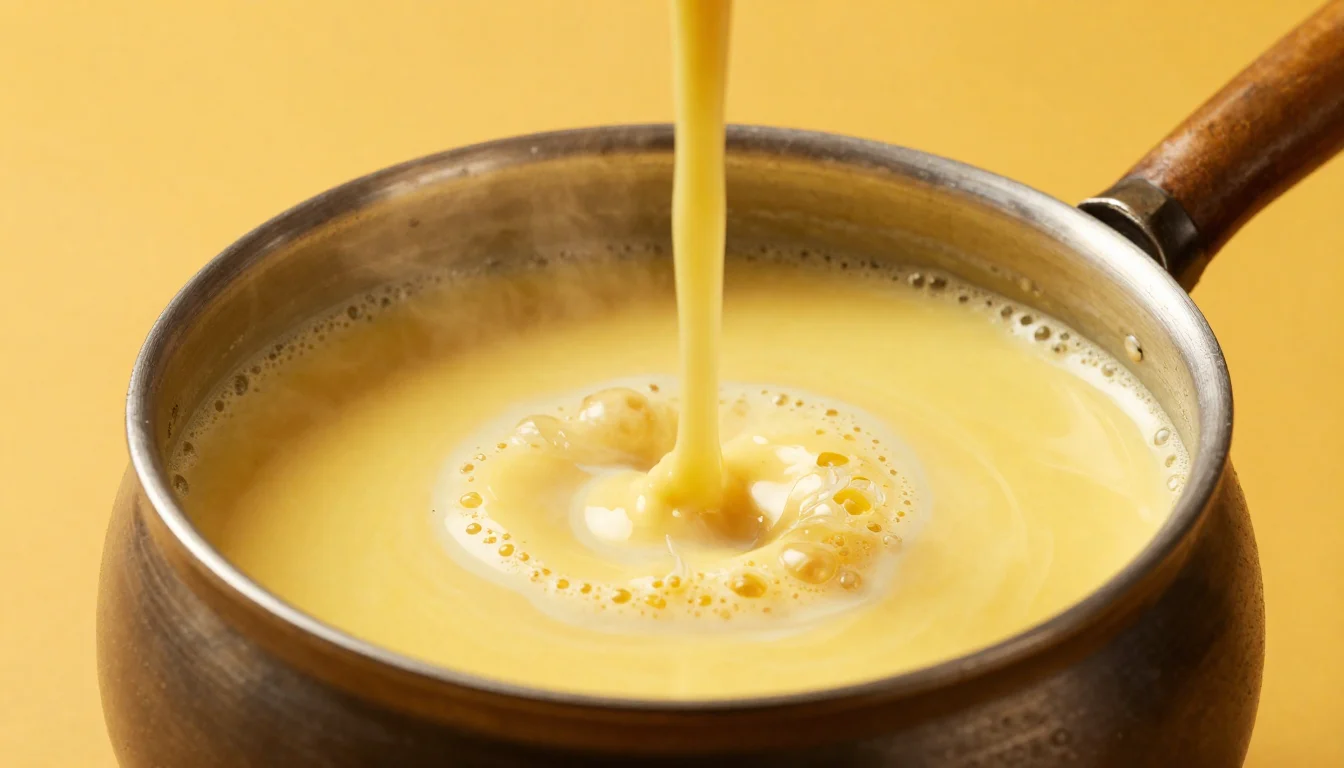
Finely dice the onion into ¼-inch pieces. Grate the Parmesan cheese fresh (pre-grated cheese contains anti-caking agents that affect creaminess). Heat your broth in a separate saucepan and keep it warm over low heat throughout the cooking process.
Step 3: Sauté the Aromatics (3-4 minutes)
Heat 2 tablespoons butter and 2 tablespoons olive oil in a heavy-bottomed saucepan over medium heat. Once the butter melts and foams, add the diced onion. Sauté gently until translucent and soft, about 3-4 minutes. Do not brown the onions; they should remain pale.
Step 4: Toast the Rice (2 minutes)
Add the Arborio rice to the pan with the onions. Stir constantly with a wooden spoon, coating each grain with the butter-oil mixture. Toast for about 2 minutes until the rice edges become slightly translucent while the centers remain white. You should hear a gentle crackling sound.
Step 5: Deglaze with Wine (2-3 minutes)
Pour in the white wine and stir immediately. The wine will sizzle and release aromatic steam. Keep stirring until the wine is almost completely absorbed, about 2-3 minutes. This adds depth and acidity to balance the rich, creamy flavors.
Step 6: Begin Adding Broth (18-20 minutes)
Add the bloomed saffron (threads and liquid) to the rice. Stir well to distribute the color evenly. Now begin the traditional risotto technique:
- Add warm broth one ladle at a time (about ¾ cup)
- Stir frequently until the liquid is almost absorbed
- Add the next ladle of broth
- Repeat this process for 18-20 minutes
Important: Keep the heat at medium. The mixture should maintain a gentle simmer with small bubbles. Stirring releases the rice’s starch, creating the creamy texture.
Step 7: Test for Doneness (After 18-20 minutes)
Taste a grain of rice. It should be tender with a slight firmness at the center (al dente), similar to pasta. The saffron risotto should be creamy and flow slowly when you tilt the pan. If it’s too thick, add a little more warm broth. If the rice is still too firm, continue cooking and adding broth in small amounts.
Step 8: The Mantecatura (Final Creaming – 2 minutes)
Remove the pan from heat. Add the remaining 1 tablespoon of butter and 1 cup of freshly grated Parmesan cheese. Vigorously stir or beat the risotto for about 1-2 minutes. This technique, called “mantecatura,” creates an incredibly creamy, luxurious texture.
Season with salt and white pepper to taste. The risotto should have a loose, flowing consistency – Italians say it should spread into a flat circle when plated, not hold a stiff mound.
Step 9: Rest and Serve (1 minute)
Let the saffron risotto rest for 1 minute with the lid on. This allows the flavors to meld. Serve immediately in warm bowls or plates.
Tips for Perfect Saffron Risotto Every Time
Use Authentic Arborio Rice
Arborio rice has the perfect starch content for creamy risotto. Other suitable varieties include Carnaroli or Vialone Nano. Never use long-grain rice like basmati or jasmine – they won’t create the proper texture.
Keep Your Broth Warm
Adding cold broth to hot rice shocks the cooking process and results in unevenly cooked grains. Keep your broth simmering in a separate pot throughout cooking.
Don’t Rush the Process
Risotto cannot be rushed. The gradual addition of liquid and constant stirring are essential for releasing the rice’s starch. Set aside 30-35 minutes of active cooking time.
Stir, But Don’t Oversir
While frequent stirring is important, you don’t need to stir continuously for the entire 20 minutes. Stir every 30-60 seconds to prevent sticking and ensure even cooking.
Use Quality Saffron
Don’t compromise on saffron quality. Inferior saffron or saffron powder won’t deliver the same vibrant color, complex flavor, or health benefits. Learn how to identify authentic Kashmiri
saffron.
Freshly Grate Your Parmesan
Pre-grated Parmesan contains cellulose (anti-caking agent) that prevents it from melting smoothly. Always grate a block of aged Parmigiano-Reggiano just before cooking.
Finish with Butter
The final tablespoon of cold butter added off heat (mantecatura) creates incredible creaminess and gives the risotto a beautiful sheen.
Delicious Saffron Risotto Variations
Seafood Saffron Risotto
Add sautéed shrimp, scallops, or mussels in the last 5 minutes of cooking. Use fish or seafood stock instead of chicken broth. Finish with fresh lemon zest and parsley.
Mushroom Saffron Risotto
Sauté sliced porcini or cremini mushrooms with the onions. Add dried mushroom powder to the broth for extra umami depth. This creates an earthy complement to the floral saffron.
Asparagus Saffron Risotto
Blanch asparagus tips and add them in the final minutes. Purée the asparagus stalks into the broth for added nutrition and vibrant green flecks.
Saffron Risotto with Peas
Fold in fresh or frozen peas during the last 3 minutes of cooking. The sweet peas contrast beautifully with the savory saffron and Parmesan.
Vegan Saffron Risotto
Use vegetable broth, replace butter with high-quality olive oil, and substitute Parmesan with nutritional yeast or vegan Parmesan. The saffron risotto will still be delicious and creamy.
Serving Suggestions
Saffron risotto works beautifully as both a main course and an elegant side dish:
As a Main Course
- Serve in wide, shallow bowls with a simple arugula salad dressed in lemon vinaigrette
- Top with pan-seared scallops or grilled shrimp
- Pair with roasted vegetables like cherry tomatoes and zucchini
- Accompany with a crisp white wine like Pinot Grigio or Vermentino
As a Side Dish
- Serve alongside Kashmiri saffron seekh kebabs for a fusion meal
- Pair with osso buco (braised veal shanks) for traditional Milanese dining
- Complement grilled lamb chops or roasted chicken
- Serve under pan-seared salmon or halibut
Wine Pairing
The delicate flavors of saffron risotto pair best with light to medium-bodied white wines. Try Italian Soave, Gavi di Gavi, or a crisp Chardonnay. For red wine lovers, a light Pinot Noir works surprisingly well.
Storage Instructions
Refrigeration
Store leftover saffron risotto in an airtight container in the refrigerator for up to 3 days. The risotto will thicken considerably as it cools because the starches continue to absorb liquid.
Reheating
To reheat, place the risotto in a saucepan with 2-3 tablespoons of broth or water per serving. Heat gently over medium-low heat, stirring frequently. Add more liquid as needed to restore the creamy consistency. Do not microwave, as this can make the rice rubbery.
Freezing (Not Recommended)
While technically possible, freezing risotto significantly degrades its texture. The rice becomes mushy and loses its characteristic al dente bite. If you must freeze it, use it within 1 month and expect a different texture upon reheating.
Creative Leftover Ideas
- Arancini: Form cold risotto into balls, stuff with mozzarella, bread, and deep-fry for crispy Sicilian rice balls
- Risotto Cakes: Shape into patties and pan-fry until crispy on both sides
- Frittata: Mix with beaten eggs and bake for a delicious breakfast or brunch dish
Frequently Asked Questions About Saffron Risotto
Can I make saffron risotto without wine?
Yes! Replace the white wine with an equal amount of broth plus 1 tablespoon of lemon juice or white wine vinegar. The acid brightens the flavors similar to wine. The alcohol in wine cooks off completely, so there’s no alcoholic content in the finished dish.
How much Kashmiri saffron should I use for saffron risotto?
For standard recipes serving 4 people, use 15-20 strands of Kashmiri saffron. Because it’s more potent than other varieties, you can achieve vibrant color and flavor with less. Consult our saffron dosage guide for more information.
Why is my risotto too thick or too thin?
Risotto consistency depends on the rice-to-liquid ratio and cooking time. Too thick means you didn’t add enough broth; remedy by stirring in more warm broth until you reach the desired consistency. Too thin means you added liquid too quickly; continue cooking uncovered to evaporate excess liquid while stirring frequently.
Can I use saffron powder instead of threads?
While possible, saffron threads are strongly preferred. Saffron powder is often adulterated with turmeric or other fillers. If you must use powder, use about ⅛ teaspoon per recipe, but expect less vibrant color and potentially inferior flavor.
Is saffron risotto gluten-free?
Yes! Rice is naturally gluten-free, and traditional saffron risotto contains no wheat products. Ensure your broth is certified gluten-free (some contain wheat-based additives) and avoid cross-contamination during preparation.
Can I make saffron risotto ahead of time?
Risotto is best served immediately after cooking. However, you can cook it 90% of the way, spread it on a baking sheet to cool, then refrigerate. When ready to serve, reheat gently with additional broth, complete the final minutes of cooking, and perform the mantecatura with butter and cheese.
What’s the difference between risotto and regular rice?
The cooking technique makes the difference. Risotto uses short-grain, high-starch rice (Arborio) cooked slowly with gradual liquid addition and constant stirring. This releases the rice’s natural starches, creating a creamy texture without cream. Regular rice is typically cooked in a large amount of water or steamed until tender with minimal stirring.
Conclusion
Mastering saffron risotto with Parmesan is a rewarding culinary achievement that brings Italian restaurant elegance to your home kitchen. By using premium Kashmiri saffron, following the traditional technique of gradual broth addition, and finishing with the mantecatura of butter and Parmesan, you’ll create a dish that impresses both visually and gastronomically.
The vibrant golden color, creamy texture, and complex flavors of this saffron risotto make it perfect for special occasions or whenever you crave something extraordinary. Plus, you’ll benefit from saffron’s remarkable health properties while enjoying every luxurious bite.
Remember, patience is key – don’t rush the process, use quality ingredients, and keep your broth warm. With practice, you’ll develop an intuitive feel for the perfect consistency and timing.
Ready to create your own saffron risotto masterpiece? Order authentic Kashmiri saffron today and experience the difference that premium quality makes in your cooking. For more saffron-infused recipes, explore our collection including saffron chicken biryani and saffron phirni.
Buon appetito!