Kashmir GI tag saffron explained simply: Kashmir saffron was officially granted Geographical Indication (GI) status in 2020 — a significant milestone for the region's saffron industry, but one that's often misunderstood by buyers. This article explains exactly what a GI tag certifies, what it doesn't, and how to use it properly when evaluating saffron before you buy.
What a Geographical Indication Actually Is
A Geographical Indication is a legal designation, administered in India through the Geographical Indications Registry, that identifies a product as originating from a specific geographic region, where a given quality, reputation, or other characteristic is essentially attributable to that origin. It's the same broad legal category that protects products like Darjeeling tea or Champagne (in the EU system) — the designation is tied to place, not to a specific brand or company.
When and Why Kashmir Saffron Received Its GI Tag
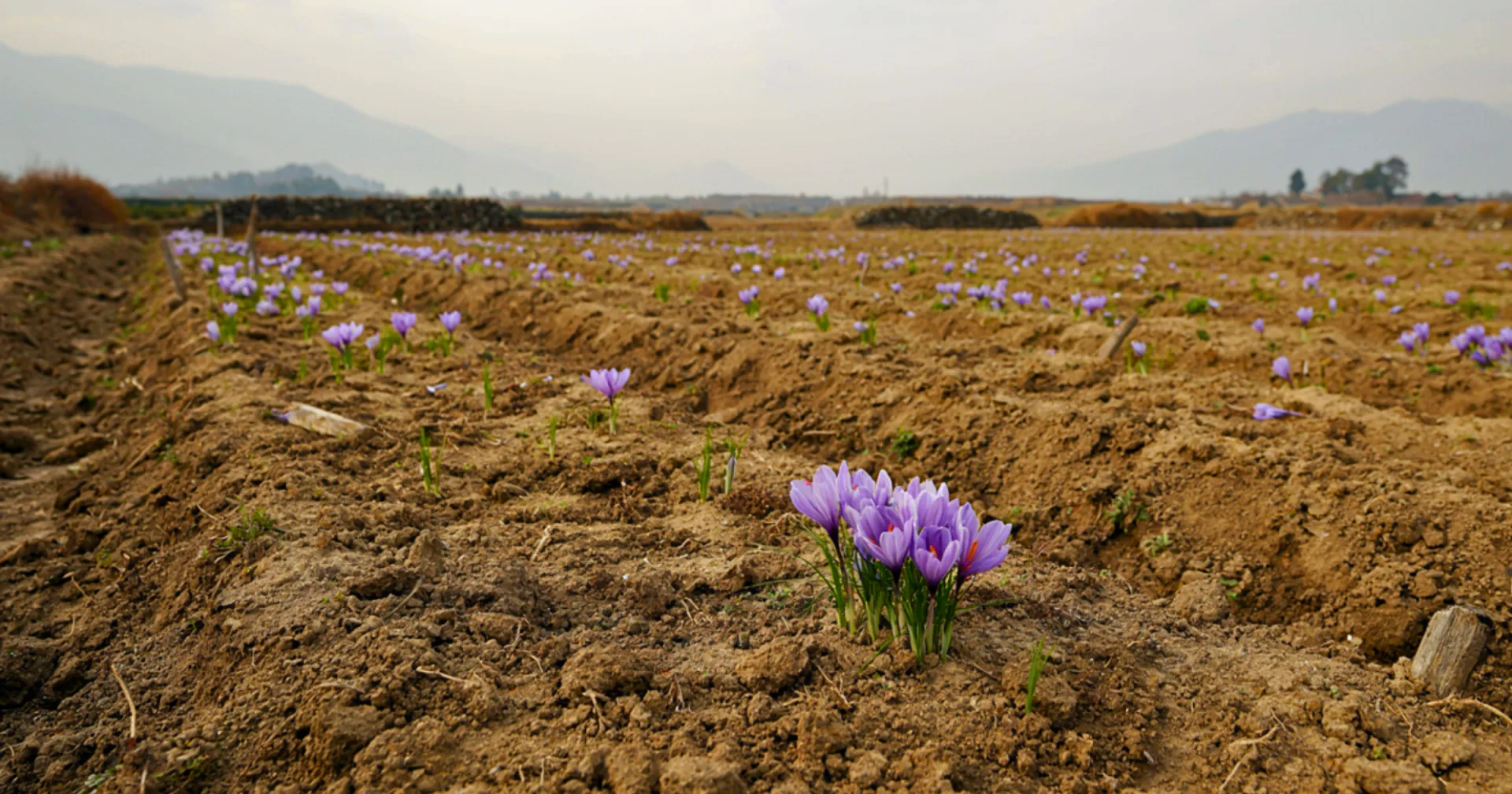
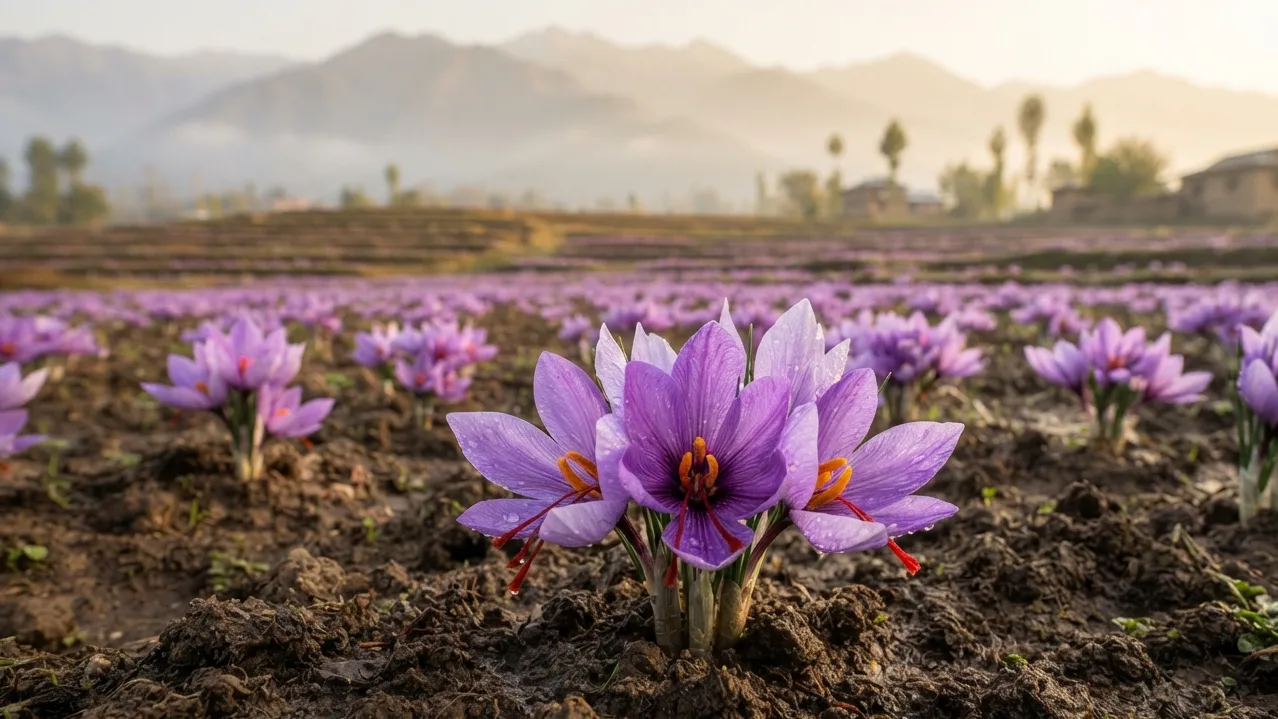
Kashmir saffron was granted GI status in 2020, formally recognising that saffron grown in the Kashmir Valley — under its specific soil, altitude, and climate conditions, primarily around Pampore — has characteristics distinct enough to warrant legal protection of the "Kashmir saffron" name. This was, in part, a response to a longstanding problem: saffron grown in Iran or elsewhere being imported, repackaged, and sold in India under a "Kashmiri saffron" label without any genuine connection to the region.
What the GI Tag Does Certify
- Geographic origin: That the saffron genuinely comes from the designated Kashmir Valley growing region
- A degree of legal protection: Selling saffron not grown in Kashmir under the "Kashmir saffron" name becomes a misrepresentation the GI framework is designed to discourage
- A formal recognition of the region's specific growing conditions as meaningfully distinct — supporting the broader case that Kashmir saffron is a genuinely different product from saffron grown elsewhere
What the GI Tag Does NOT Certify
This is the part most buyers get wrong. A GI tag is about origin, not purity, grade, or freshness. Saffron genuinely grown in Kashmir can still be:
- Mixed or diluted with lower-grade material or non-saffron fillers after harvest
- Sold under a misleading grade claim (see our guide on saffron grading)
- Old or improperly stored, reducing its actual aroma and colour strength regardless of genuine origin
This is exactly why GI tagging and lab certification for purity should be treated as two separate, complementary checks — not one substitute for the other.
How to Actually Verify GI Claims When Buying
Be cautious of sellers who mention "GI-tagged" as a vague marketing phrase without being able to explain or reference what that actually means. A seller genuinely selling GI-recognised Kashmir saffron should be able to speak clearly about the region their saffron comes from and ideally pair that claim with independent lab testing for purity — exactly the combination we provide on our own Kashmiri Mogra saffron.
Why This Matters for the Broader Kashmiri Saffron Industry
Beyond individual buyers, GI status matters for the Kashmir Valley's saffron farmers and the region's agricultural economy — it provides a legal and reputational foundation for building Kashmir saffron's international market position as a premium, geographically distinct product, similar to how other GI-protected regional products have leveraged their designation to command premium positioning globally.
How GI Status Compares to Other Protected Indian Products
Kashmir saffron isn't the only Indian agricultural product to receive GI protection — Darjeeling tea, Basmati rice from specific regions, and Alphonso mangoes from Ratnagiri are among the other well-known examples. In each case, the underlying logic is the same: a specific growing region is legally recognised as producing a product with characteristics genuinely tied to that place, and the name itself becomes legally restricted to products actually grown there. Seeing Kashmir saffron in this broader context helps explain why GI status was considered worth pursuing — it aligns the region's saffron industry with an established, internationally recognised legal framework for protecting regional agricultural identity.
The Bottom Line
Kashmir's GI tag for saffron is a real, meaningful legal recognition of the region's saffron as a geographically distinct product — but it answers the question of where saffron comes from, not how pure or high-grade it is. Genuinely careful buyers should look for both GI backing and independent lab certification, not treat either one alone as a complete guarantee.
You can read more about India's GI framework directly from the Geographical Indications Registry of India.